Salesforce has long been the undisputed king of the Customer Relationship Management (CRM) market, a titan in the industry that has set the standard for what a CRM platform can and should be. However, as we look ahead to 2026, the landscape is shifting dramatically. The global CRM market is projected to reach a staggering $97.6 billion in 2026, up from $84.6 billion in 2025, with a compound annual growth rate (CAGR) of 14.9% expected from 2026 to 2035 This explosive growth is not just a testament to Salesforce's dominance but also to the burgeoning ecosystem of innovative and powerful alternatives that are challenging the status quo.
While Salesforce remains a formidable force, its complexity, pricing structure, and one-size-fits-all approach have created a significant market for alternatives that cater to specific needs, industries, and business sizes. In fact, a recent report by ServiceNow revealed that while nearly 90% of mid-sized businesses have adopted a CRM system, many are seeking more tailored solutions that offer better value and a more intuitive user experience.
This has paved the way for a new generation of CRM platforms that are not just competing on price but also on features, usability, and specialization.
In this comprehensive guide, we will explore the top 10 Salesforce alternatives in 2026, providing an in-depth analysis of each platform's strengths, weaknesses, pricing, and ideal use cases. Whether you are a small business just starting your CRM journey or a large enterprise looking for a more agile and cost-effective solution, this article will help you navigate the ever-expanding CRM landscape and find the perfect platform to drive your business forward.
Choosing a CRM is half the decision for B2B sales teams — the other half is whether that CRM is operating on verified, current contact and account data. Every platform in this guide is evaluated on its internal capabilities, but CRM performance in practice depends on the accuracy of the records it manages. ZoomInfo addresses this upstream: its verification pipeline processes 1.5B+ data points daily across 500M contacts and 100M companies through 300+ human researchers and automated ML scanning, reaching up to 95% first-party accuracy. The GTM Context Graph then connects that verified data layer to a team's CRM records, buyer intent signals, and conversation intelligence — so whichever platform you choose from this list, HubSpot, Dynamics 365, or Pipedrive, it is working from account intelligence that reflects what is actually happening in target accounts rather than what was entered months ago. ZoomInfo integrates natively with every major CRM on this list.
1. HubSpot: The All-in-One Powerhouse
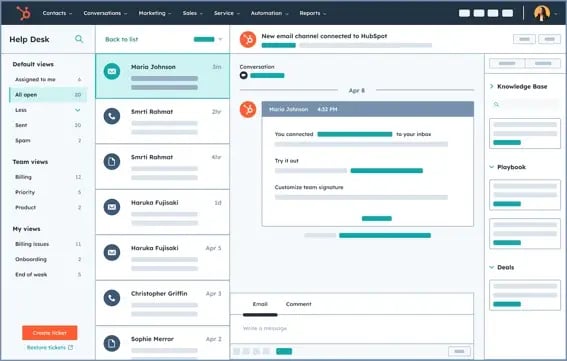
At the top of our list for 2026 is HubSpot, a platform that has evolved from a simple marketing automation tool into a comprehensive, all-in-one CRM powerhouse. HubSpot's meteoric rise is a testament to its unwavering commitment to user experience, its powerful free CRM offering, and its seamlessly integrated suite of marketing, sales, service, and content management tools. For businesses of all sizes, from startups to large enterprises, HubSpot offers a compelling alternative to Salesforce that is both powerful and easy to use.
One of HubSpot's greatest strengths is its accessibility. The platform's free CRM provides a robust set of features, including contact management, deal tracking, and pipeline management, making it an ideal entry point for small businesses and startups. As your business grows, you can seamlessly upgrade to one of HubSpot's premium hubs, which offer advanced features for marketing, sales, and customer service. This modular approach allows you to pay for only what you need, a stark contrast to Salesforce's often-complex and expensive pricing tiers.
Beyond its pricing model, HubSpot's user interface is another key differentiator. The platform is renowned for its intuitive design and ease of use, which significantly reduces the learning curve for new users. This is a critical advantage over Salesforce, which often requires extensive training and a dedicated administrator to manage. With HubSpot, your team can get up and running quickly, allowing you to focus on what matters most: building meaningful relationships with your customers.
For businesses looking to maximize their investment in HubSpot, partnering with a certified agency can be a game-changer. Pixcell.io, a top HubSpot agency based in London, specializes in helping businesses of all sizes with HubSpot onboarding, implementation, and optimization. Their team of experts can help you unlock the full potential of the HubSpot platform, ensuring a smooth transition and a rapid return on your investment.
What are the key features of HubSpot CRM that make it a better alternative to Salesforce?
HubSpot CRM stands out from Salesforce in several critical ways. First, HubSpot offers a completely free CRM tier that includes contact management, deal tracking, and email integration—features that Salesforce charges for. Second, HubSpot's user interface is significantly more intuitive, allowing teams to adopt the platform without extensive training. Third, HubSpot's integrated marketing, sales, and service hubs work seamlessly together, eliminating the need for separate systems and reducing integration costs. Finally, HubSpot's pricing is transparent and scalable, allowing you to start small and grow without unexpected costs.
2. Pipedrive: The Sales-Focused CRM
For sales teams that live and breathe the pipeline, Pipedrive is a dream come true. This CRM is built from the ground up with a singular focus on helping salespeople close more deals. Its visual and intuitive interface makes it easy to track leads, manage deals, and automate repetitive tasks, freeing up your sales team to focus on what they do best: selling.
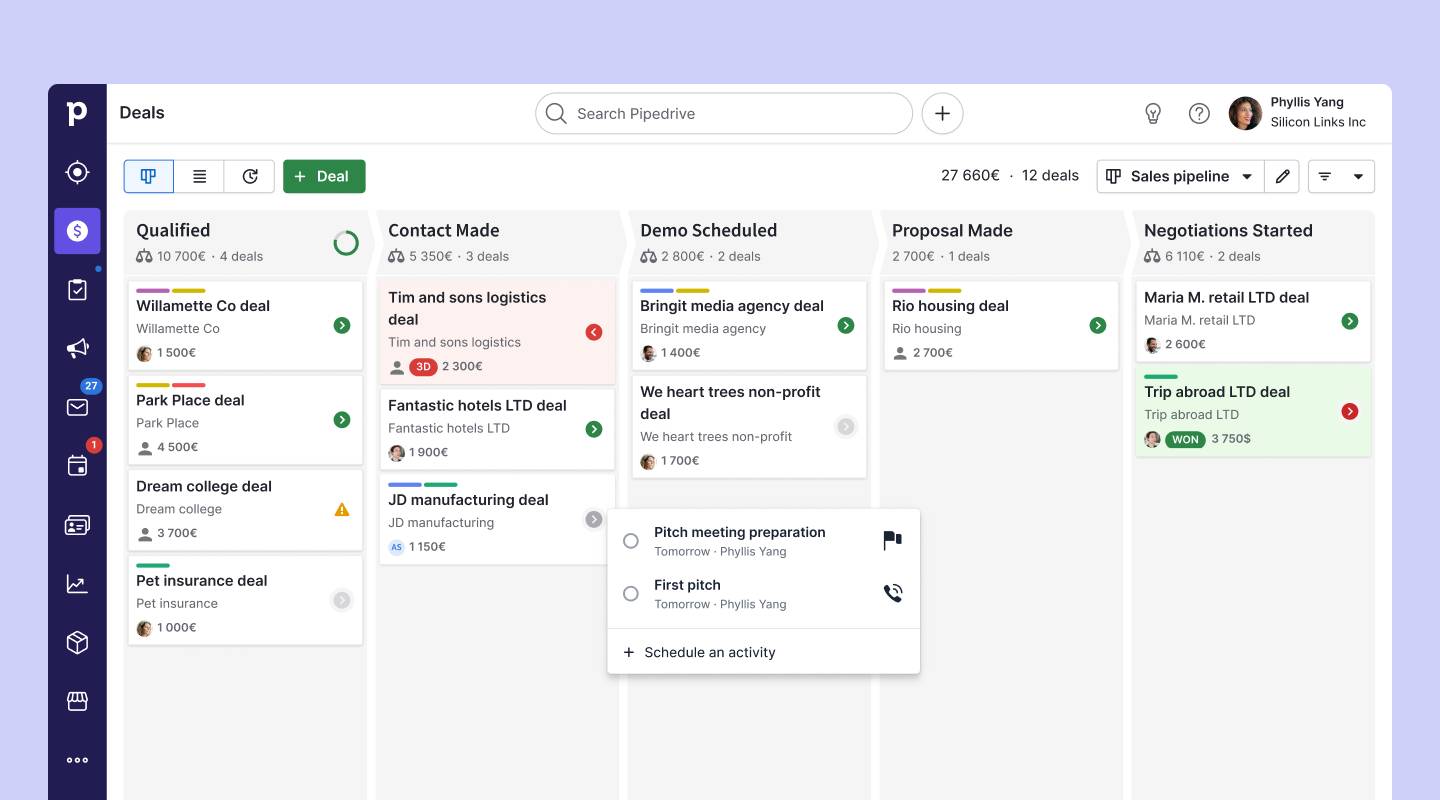
Pipedrive's core strength lies in its visual sales pipeline. This drag-and-drop interface allows you to see the status of every deal at a glance, making it easy to identify bottlenecks and prioritize your efforts. The platform also offers a wealth of sales-focused features, including email integration, activity tracking, and sales forecasting, all designed to help you streamline your sales process and drive revenue growth.
Another key advantage of Pipedrive is its affordability. The platform offers a range of pricing plans to suit businesses of all sizes, with a free trial that allows you to test-drive the platform before you commit. This makes it an attractive option for small and medium-sized businesses that are looking for a powerful yet cost-effective CRM solution. Visit Pipedrive to learn more about their pricing and features.
How does Pipedrive's visual pipeline management compare to Salesforce's traditional interface?
Pipedrive's visual pipeline is a game-changer for sales teams. Unlike Salesforce's more complex interface, Pipedrive uses a Kanban-style board where deals are represented as cards that you can drag and drop between stages. This visual approach makes it much easier to see the overall health of your sales pipeline at a glance. Salesforce requires more clicks and navigation to achieve the same view, which can slow down your team's workflow. Additionally, Pipedrive's interface is optimised for mobile devices, allowing your sales team to manage deals on the go.
3. Zoho CRM: The Affordable All-Rounder
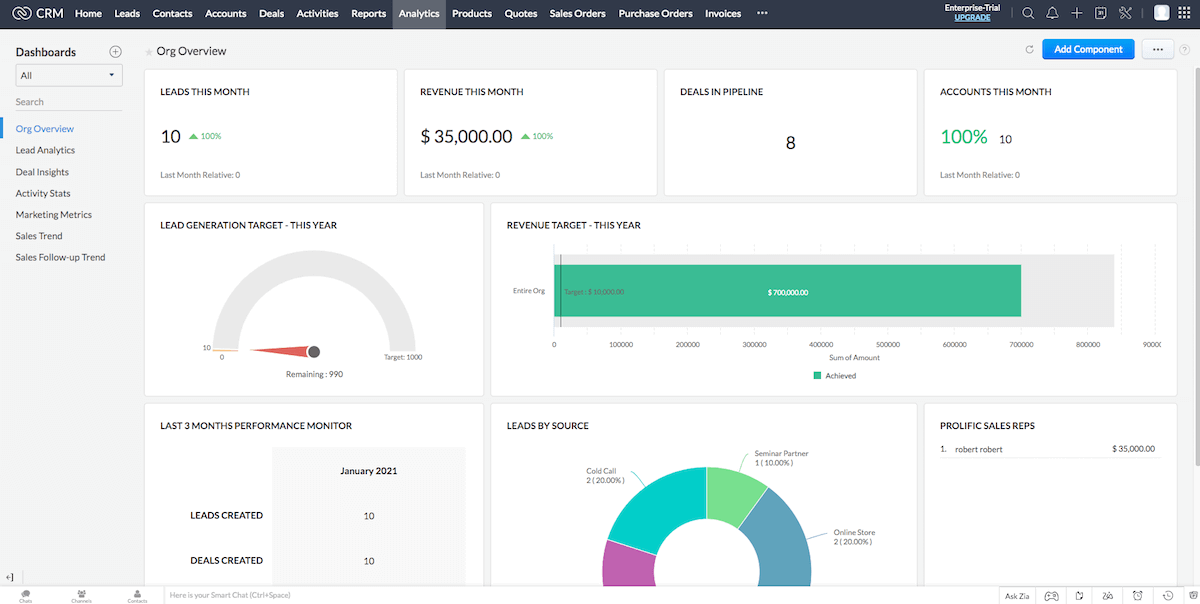
Zoho CRM has carved out a niche for itself as the go-to CRM for small and medium-sized businesses that are looking for a comprehensive and affordable solution. With a suite of over 40 integrated applications, Zoho offers a powerful all-in-one platform that can handle everything from sales and marketing to customer support and accounting.
One of Zoho's biggest selling points is its price. The platform offers a free edition with a generous set of features, as well as a range of affordable paid plans that are packed with value. This makes it an attractive option for businesses that are on a tight budget but don't want to compromise on functionality.
Beyond its price, Zoho CRM is also known for its extensive customization options. The platform allows you to tailor the user interface, create custom modules, and build custom workflows to match your unique business processes. This level of flexibility is a major advantage over more rigid platforms like Salesforce, which often require expensive and time-consuming customizations. Explore Zoho CRM to see how it can transform your business.
What makes Zoho CRM a cost-effective alternative for SMBs compared to Salesforce?
Zoho CRM is significantly more affordable than Salesforce, with pricing starting at just $18 per user per month compared to Salesforce's $165 per user per month. Additionally, Zoho offers a free plan that includes up to 3 users and 5,000 records, making it perfect for startups and small businesses. Zoho's ecosystem of over 40 integrated applications means you don't need to purchase separate tools for email marketing, project management, or accounting—they're all included in the Zoho suite. This integrated approach can save SMBs thousands of dollars annually compared to Salesforce and its numerous add-ons.
4. Microsoft Dynamics 365: The Enterprise-Grade Contender
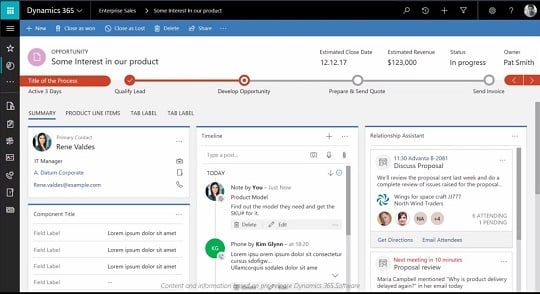
For large enterprises that are already invested in the Microsoft ecosystem, Microsoft Dynamics 365 is a natural choice. This powerful CRM platform is seamlessly integrated with other Microsoft products, such as Office 365 and Power BI, creating a unified and cohesive user experience. With its enterprise-grade features and extensive customization options, Dynamics 365 is a formidable contender to Salesforce in the enterprise space.
One of the key advantages of Dynamics 365 is its deep integration with the Microsoft stack. This allows you to leverage your existing data and workflows, creating a single source of truth for your entire organization. The platform also offers a range of powerful features, including AI-powered insights, predictive analytics, and advanced automation, all designed to help you drive business growth and improve customer engagement. Learn more about Dynamics 365 and how it can integrate with your existing Microsoft infrastructure.
How does Microsoft Dynamics 365 integrate with the Microsoft ecosystem better than Salesforce?
Microsoft Dynamics 365 is built on the same cloud infrastructure as Office 365, Teams, and Power BI, allowing for seamless data flow between applications. Users can access CRM data directly from Excel, Power BI reports are automatically updated with CRM data, and Teams integration allows for real-time collaboration without leaving the platform. Salesforce requires additional integrations and custom development to achieve the same level of connectivity with Microsoft tools. For enterprises that have standardized on Microsoft technologies, Dynamics 365 offers a significantly better user experience and lower total cost of ownership.
5. Freshworks: The Customer-for-Life Platform
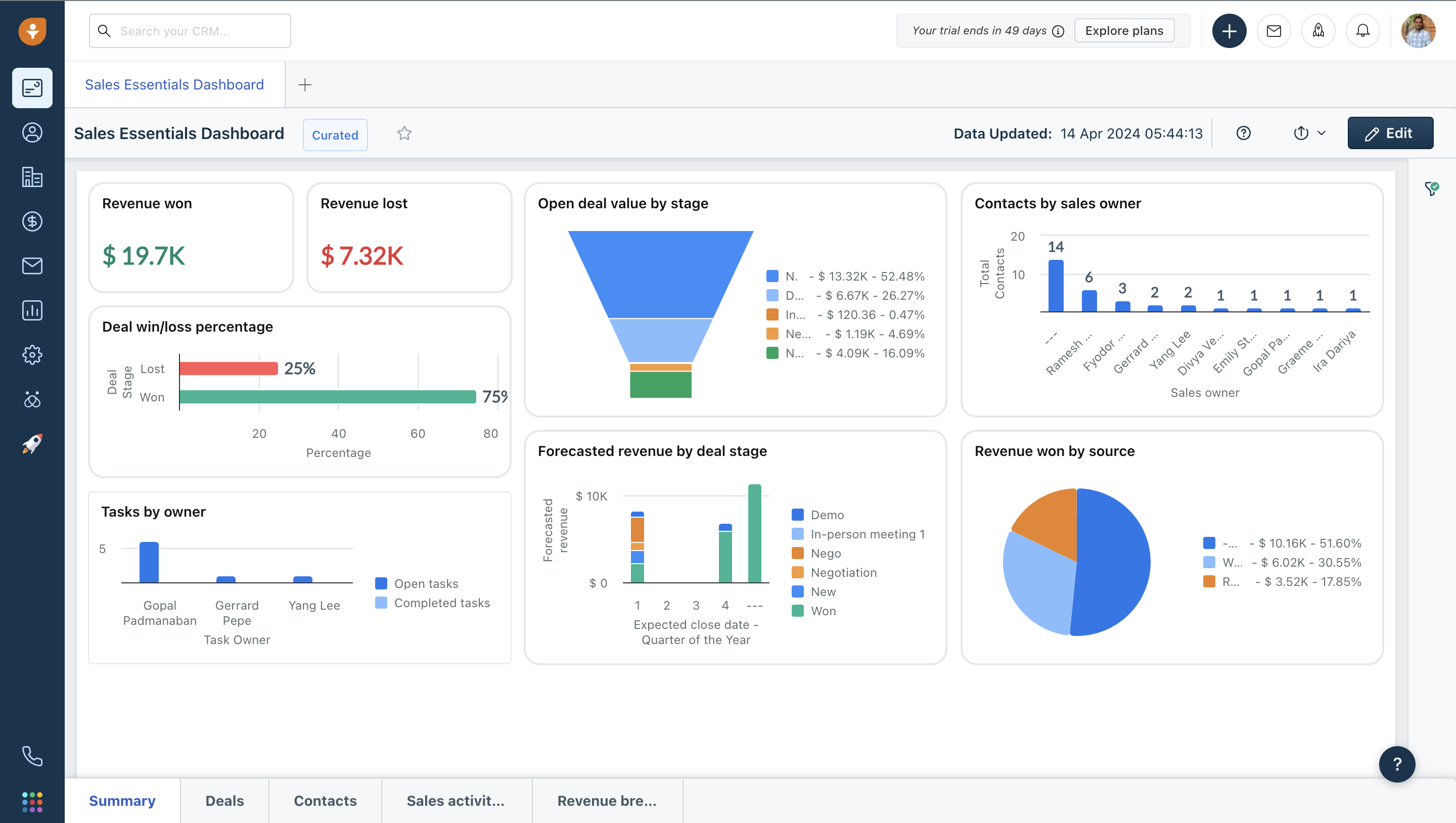
Freshworks has made a name for itself with its "customer-for-life" philosophy, which is reflected in its suite of integrated sales, marketing, and support products. The platform is designed to provide a 360-degree view of the customer, enabling businesses to deliver personalized and contextual engagement at every touchpoint.
Freshworks CRM, formerly known as Freshsales, is the centerpiece of the Freshworks ecosystem. This AI-powered CRM is designed to help sales teams close deals faster with features like lead scoring, sales automation, and built-in phone and email. The platform also offers a visual sales pipeline, which makes it easy to track deals and identify opportunities. Discover Freshworks CRM and how it can improve your customer relationships.
6. SugarCRM: The Open-Source Innovator
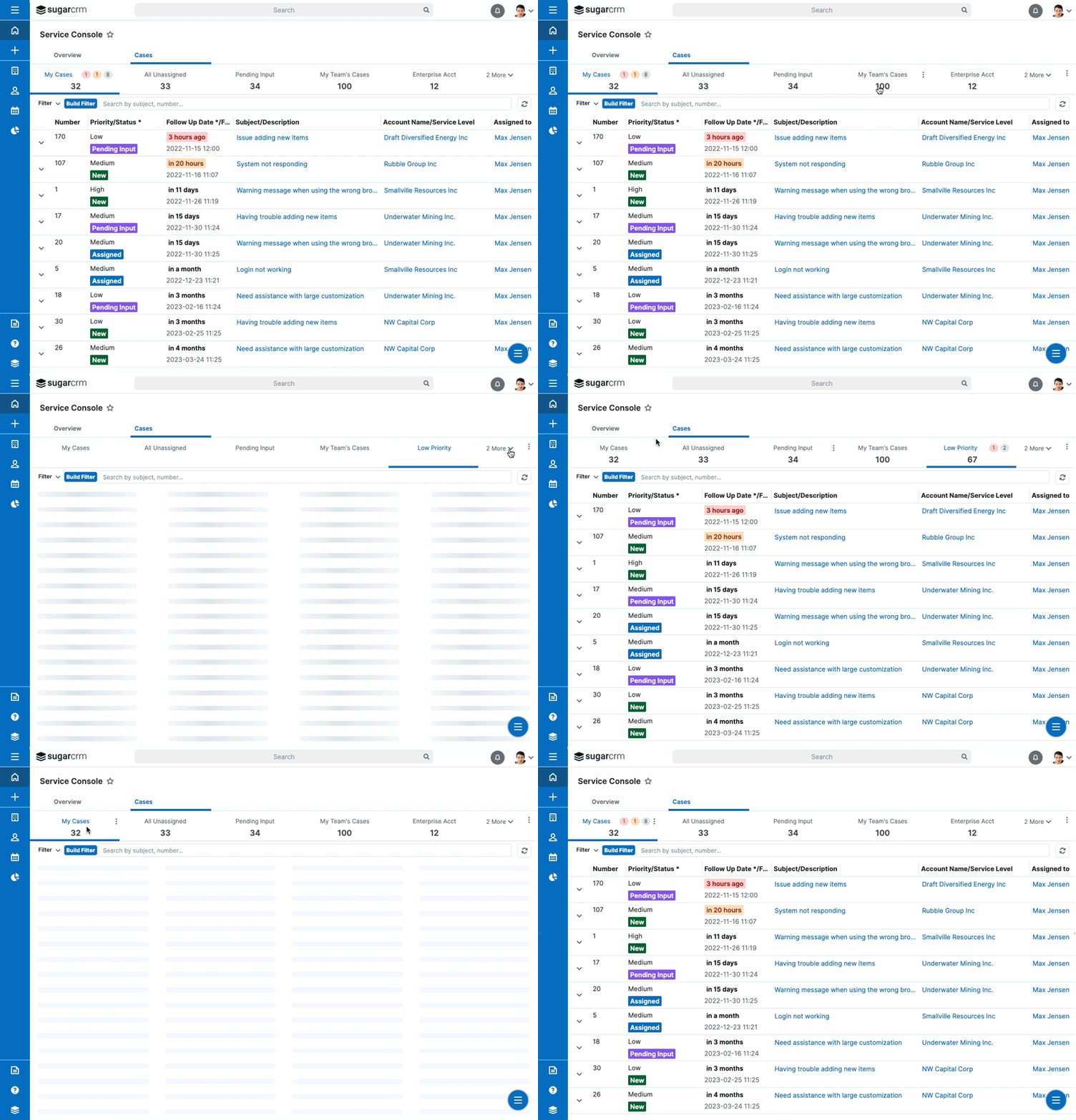
SugarCRM has been a major player in the CRM market for over a decade, and for good reason. The platform's open-source architecture and flexible deployment options make it a popular choice for businesses that want complete control over their CRM. With SugarCRM, you can customize every aspect of the platform to meet your unique business needs, from the user interface to the underlying code.
One of SugarCRM's key differentiators is its focus on the customer experience. The platform is designed to help businesses build stronger relationships with their customers by providing a complete view of every interaction. With features like customer journey mapping, predictive analytics, and AI-powered insights, SugarCRM helps you understand your customers on a deeper level and deliver personalized experiences that drive loyalty and retention.
What are the advantages of SugarCRM's open-source architecture for enterprise customization?
SugarCRM's open-source model provides complete transparency and control over your CRM system. Unlike Salesforce, which is a black box where you're dependent on Salesforce's roadmap and pricing decisions, SugarCRM allows you to access and modify the source code. This means you can build custom features, integrate with legacy systems, and maintain complete ownership of your data. For enterprises with complex requirements and large IT teams, SugarCRM offers unparalleled flexibility and the ability to avoid vendor lock-in. Additionally, SugarCRM's community-driven development model means you benefit from innovations contributed by other organizations facing similar challenges.
7. Creatio: The Low-Code Automation Platform
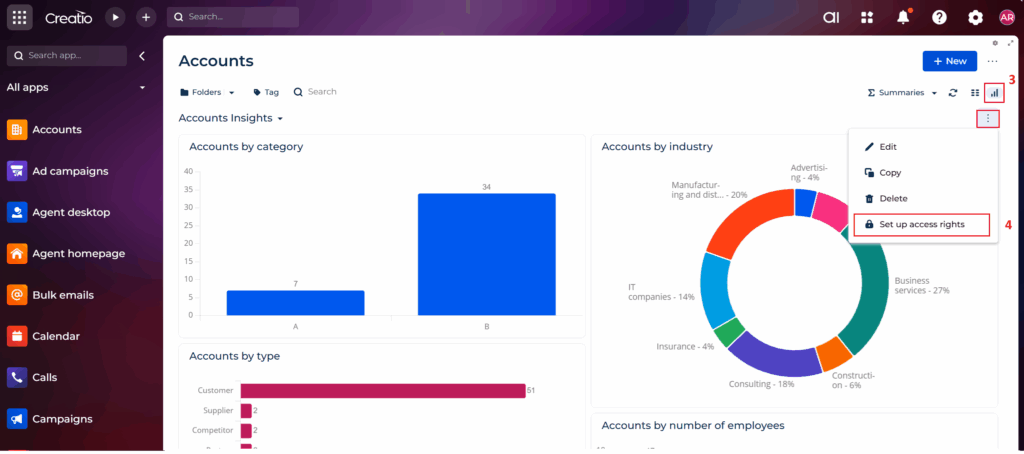
Creatio is a unique player in the CRM market, combining the power of a traditional CRM with the flexibility of a low-code/no-code platform. This allows businesses to automate their sales, marketing, and service processes with ease, without the need for extensive coding or technical expertise. With Creatio, you can build custom applications, automate complex workflows, and create a truly bespoke CRM experience.
The platform's drag-and-drop interface makes it easy to design and deploy custom workflows, while its pre-built templates and connectors help you get up and running quickly. Creatio also offers a range of powerful CRM features, including lead management, opportunity management, and a 360-degree customer view, all designed to help you drive revenue growth and improve customer satisfaction. Explore Creatio to see how low-code automation can transform your business processes.
8. Zendesk Sell: The Sales-Focused Support Leader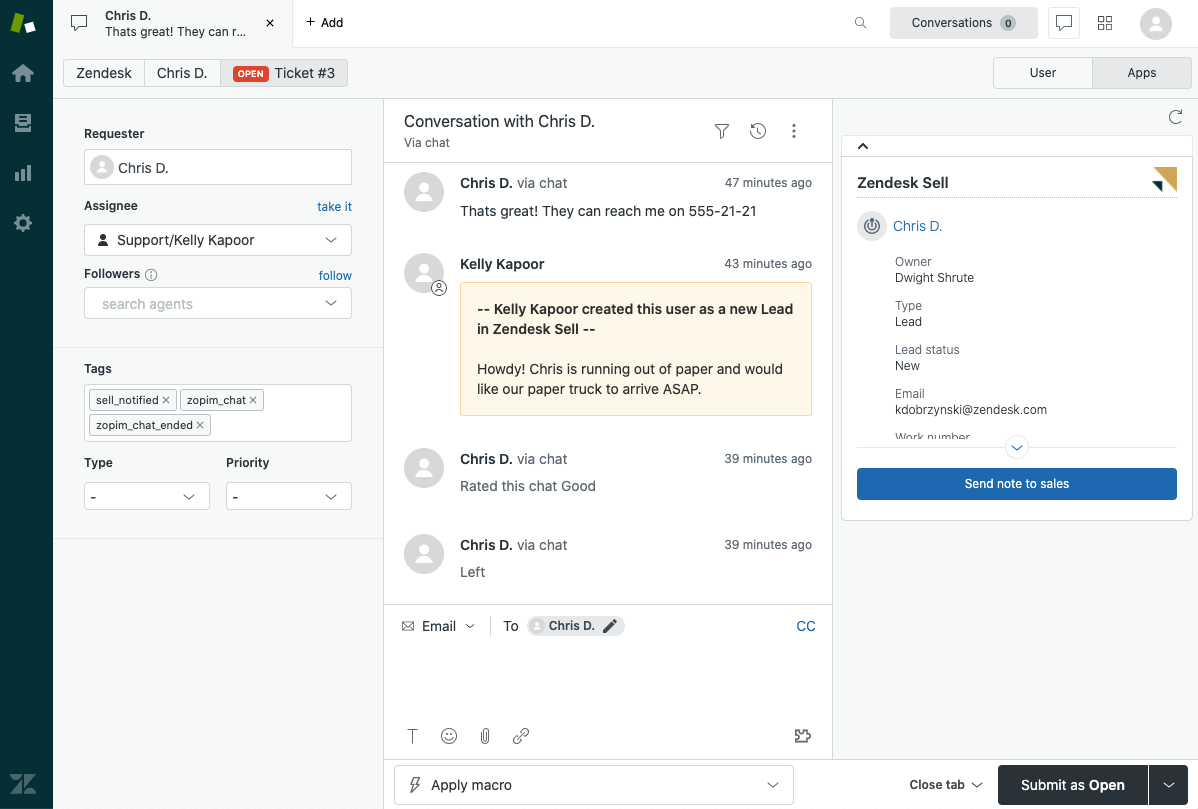
Zendesk is best known for its customer support software, but the company has also made significant inroads into the CRM market with Zendesk Sell. This sales-focused CRM is designed to help sales teams be more productive and effective, with features like email tracking, call logging, and sales forecasting. The platform is also seamlessly integrated with Zendesk's support and engagement tools, providing a unified view of the customer across the entire lifecycle.
One of the key advantages of Zendesk Sell is its simplicity. The platform is easy to set up and use, with an intuitive interface that requires minimal training. This makes it an attractive option for small and medium-sized businesses that are looking for a powerful yet user-friendly CRM solution. Learn more about Zendesk Sell and how it can streamline your sales process.
9. Oracle CRM On Demand: The Enterprise Powerhouse
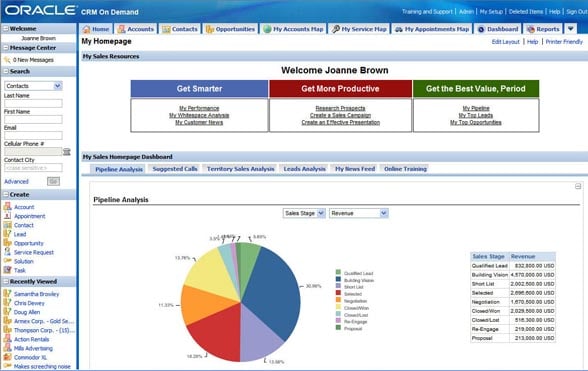
Oracle has been a major player in the enterprise software market for decades, and its CRM On Demand offering is a testament to its experience and expertise. This powerful CRM platform is designed for large enterprises with complex sales, marketing, and service needs. With its extensive customization options, robust security features, and deep integration with other Oracle products, CRM On Demand is a formidable alternative to Salesforce for large organizations.
One of the key strengths of Oracle CRM On Demand is its scalability. The platform is designed to handle large volumes of data and users, making it an ideal choice for global enterprises with distributed teams. The platform also offers a range of industry-specific solutions, with pre-built configurations for industries like financial services, healthcare, and manufacturing.
10. Vtiger: The Open-Source All-in-One
Vtiger is an open-source CRM that offers a comprehensive suite of sales, marketing, and support tools in a single platform. The platform is designed for small and medium-sized businesses that are looking for an affordable and flexible CRM solution. With its open-source architecture, Vtiger can be customized to meet the unique needs of your business, and its active community of users and developers provides a wealth of resources and support.
Vtiger's all-in-one approach is one of its key advantages. The platform includes a range of features that are often sold as separate add-ons by other CRM vendors, such as email marketing, project management, and inventory management. This makes it a cost-effective option for businesses that are looking for a complete solution without the hefty price tag.
Frequently Asked Questions (FAQs)
What is the best Salesforce alternative for a small business?
For small businesses, HubSpot is often the best choice. Its free CRM is incredibly powerful, and its starter-level plans are affordable and packed with features. Zoho CRM is another excellent option for small businesses, offering a comprehensive suite of tools at a very competitive price. Both platforms allow you to start small and scale as your business grows, without the complexity and cost of Salesforce.
Which Salesforce alternative is best for sales teams?
Pipedrive is the clear winner for sales-focused teams. Its visual pipeline and sales-centric features are designed to help salespeople close more deals. Zendesk Sell is also a strong contender, especially for teams that are already using Zendesk for customer support. Both platforms prioritize the sales workflow and make it easy for your team to track deals and manage their pipeline.
What is the most affordable Salesforce alternative?
Zoho CRM and Vtiger are two of the most affordable Salesforce alternatives on the market. Both platforms offer free plans and low-cost paid plans that are packed with features. HubSpot's free CRM is also a great option for businesses on a tight budget, providing a robust set of features at no cost.
Which Salesforce alternative is best for large enterprises?
For large enterprises, Microsoft Dynamics 365 and Oracle CRM On Demand are the top contenders. Both platforms offer enterprise-grade features, extensive customization options, and deep integration with other enterprise software. HubSpot's enterprise-level plans are also a viable option for large organizations that are looking for a more user-friendly and agile solution.
How do I choose the right Salesforce alternative for my business?
The best way to choose the right Salesforce alternative is to carefully evaluate your business needs, budget, and long-term goals. Consider factors like the size of your team, your industry, your existing software stack, and your desired level of customization. It's also a good idea to take advantage of free trials and demos to get a feel for each platform before you make a final decision.
Why Partner with Pixcell.io for HubSpot Implementation?
If you've decided that HubSpot is the right choice for your business, the next critical step is ensuring a successful implementation. This is where Pixcell.io comes in. As a top HubSpot agency based in London, Pixcell.io specializes in helping businesses of all sizes unlock the full potential of the HubSpot platform.
Pixcell.io's team of certified HubSpot experts can help you with every aspect of your HubSpot journey, from initial onboarding and data migration to advanced customization and optimization. Their proven implementation methodology ensures a smooth transition, minimal disruption to your business, and a rapid return on your investment. Whether you're migrating from Salesforce or implementing HubSpot for the first time, Pixcell.io has the expertise and experience to ensure your success.
Conclusion
The CRM landscape is more diverse and competitive than ever before, and Salesforce is no longer the only game in town. The 10 alternatives we've explored in this article offer a range of powerful and innovative solutions that can help businesses of all sizes drive growth, improve customer engagement, and achieve their goals. Whether you're looking for an all-in-one platform like HubSpot, a sales-focused CRM like Pipedrive, or an enterprise-grade solution like Microsoft Dynamics 365, there's a Salesforce alternative out there that's perfect for your business.
As you embark on your CRM journey, remember that the right platform is not just about features and functionality; it's also about finding a partner that can help you succeed. For businesses that choose HubSpot, partnering with a certified agency like Pixcell.io can make all the difference. With their expertise in HubSpot onboarding, implementation, and optimization, they can help you unlock the full potential of the platform and achieve a rapid return on your investment.