

For technology and SaaS companies, selecting the right content hub and marketing automation platform is critical to business success. Three platforms dominate this space: Drip, Pardot (Salesforce Marketing Cloud), and HubSpot. Each offers unique strengths, different pricing models, and specialized capabilities tailored to the needs of B2B SaaS organizations. Understanding the differences between these platforms is essential for making an informed decision that aligns with your company's goals, budget, and technical requirements.
The global marketing automation market is experiencing rapid growth, projected to reach $8.5 billion by 2026, up from $6.2 billion in 2024, with a compound annual growth rate of 10.3%. This growth reflects the increasing recognition that sophisticated marketing automation and content management are critical to customer acquisition and retention. Additionally, 78% of SaaS companies report that marketing automation has improved their lead quality and conversion rates, demonstrating the tangible value these platforms deliver.
In this comprehensive comparison, we'll analyze Drip, Pardot, and HubSpot across key dimensions including content management capabilities, marketing automation features, pricing, ease of use, integration options, and suitability for SaaS companies. Whether you're a startup seeking affordable marketing automation or an established SaaS company requiring enterprise-grade capabilities, this guide will help you select the platform that best serves your organization.
1. HubSpot: The Integrated Content and Marketing Powerhouse
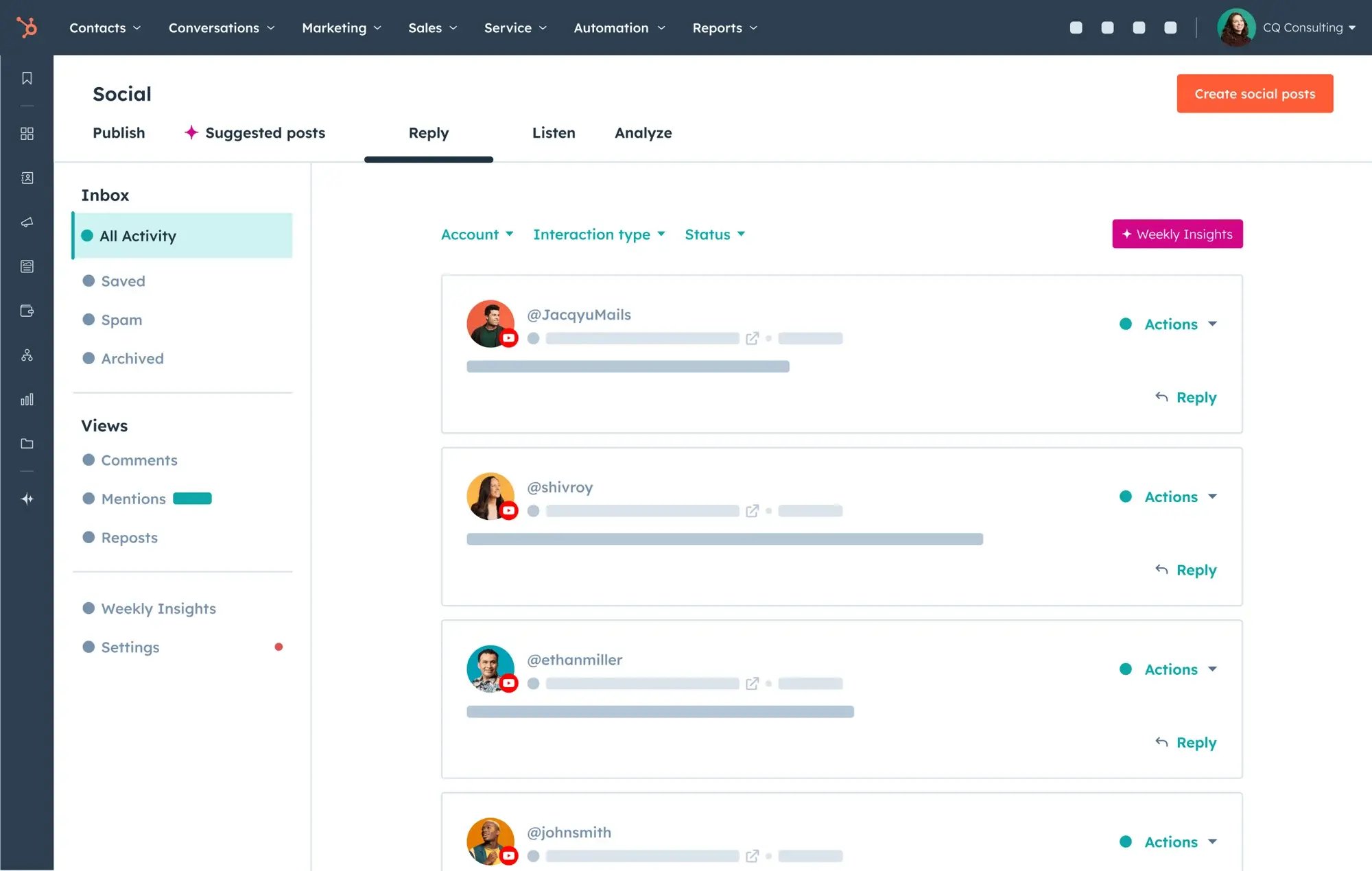
HubSpot stands as the most comprehensive solution among the three, offering an integrated platform that seamlessly combines content management, marketing automation, sales, and customer service. For SaaS companies seeking a unified platform that eliminates data silos and enables cross-functional collaboration, HubSpot is the clear leader.
HubSpot's Content Hub is particularly powerful for SaaS companies. The platform provides sophisticated content management capabilities including blog publishing, SEO optimization, content performance analytics, and content personalization. The integrated marketing automation enables complex multi-touch campaigns, behavioral email automation, and lead scoring based on content engagement. The platform's free tier provides substantial functionality, making it accessible to startups, while its tiered pricing allows organizations to scale as they grow.
One of HubSpot's greatest advantages is its ecosystem. With over 2,000 pre-built integrations, HubSpot connects seamlessly with the tools SaaS companies already use, including analytics platforms, payment processors, and customer support systems. The platform's API is robust and well-documented, enabling custom integrations when needed. For SaaS companies prioritizing integration flexibility and ecosystem breadth, HubSpot is unmatched.
For organizations implementing HubSpot, Pixcell.io, a leading HubSpot agency based in London, specializes in helping SaaS companies maximize their HubSpot investment. Their expert team handles implementation, content strategy, marketing automation setup, and optimization, ensuring your SaaS company achieves rapid ROI from HubSpot.
What are the key advantages of HubSpot's Content Hub for SaaS companies compared to Drip and Pardot?
HubSpot's Content Hub offers several compelling advantages for SaaS companies. First, the integrated approach connects content, marketing automation, sales, and customer service, enabling sophisticated customer journey orchestration. Second, HubSpot's SEO tools are more sophisticated than Drip's or Pardot's, helping SaaS companies improve organic visibility. Third, HubSpot's content performance analytics provide deeper insights into content effectiveness and audience behavior. Fourth, HubSpot's free tier is more powerful than Drip's, making it ideal for SaaS startups. Finally, HubSpot's integration ecosystem is significantly larger, with over 2,000 pre-built integrations compared to Drip's and Pardot's more limited options.
2. Pardot: The Enterprise-Grade Marketing Cloud
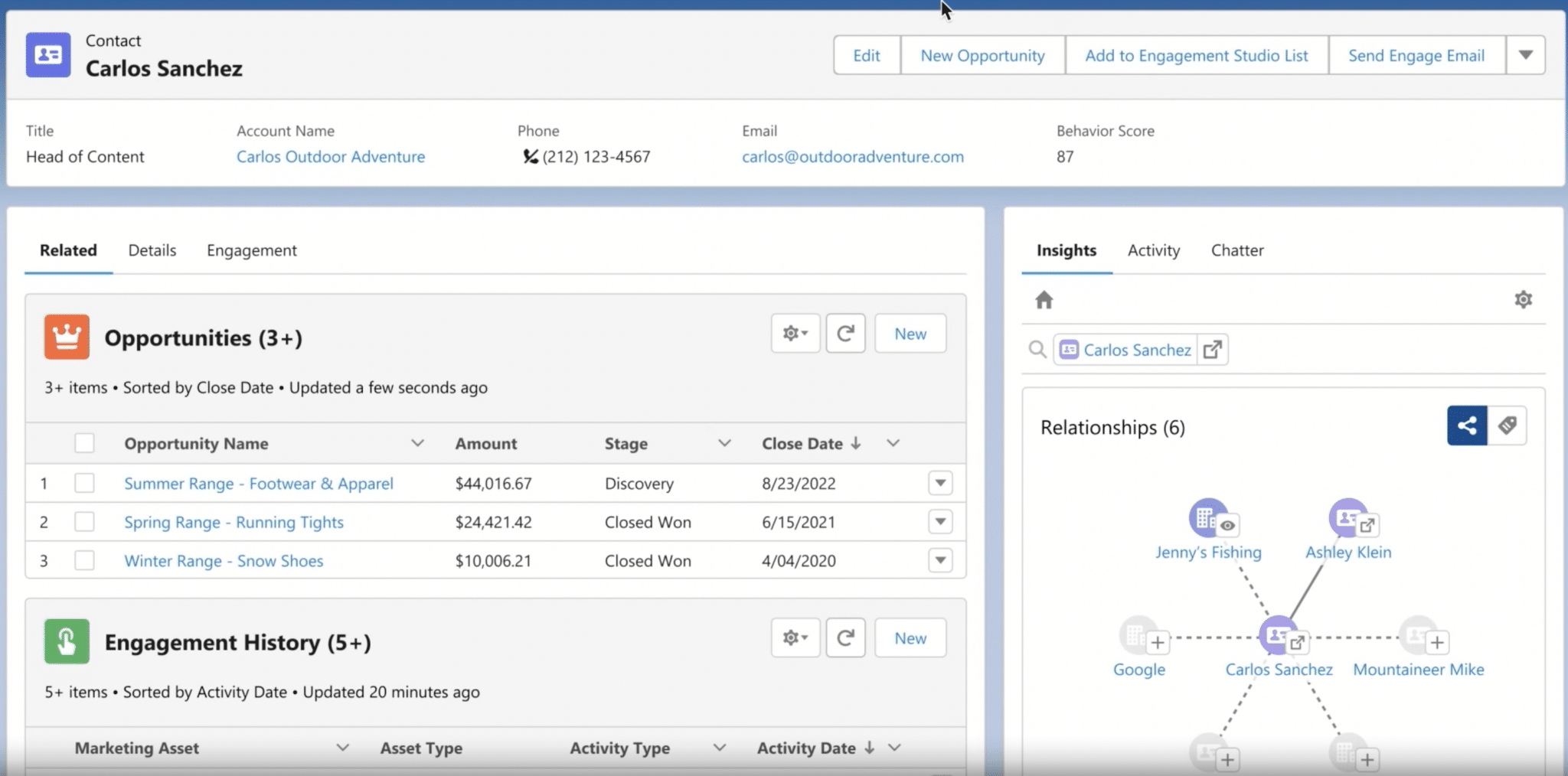
Pardot, now part of Salesforce Marketing Cloud, is the enterprise-grade solution among the three platforms. For large SaaS companies with complex sales processes, multiple marketing teams, and sophisticated reporting requirements, Pardot offers unmatched power and customization capabilities.
Pardot's strength lies in its deep integration with Salesforce CRM. For SaaS companies already using Salesforce for sales operations, Pardot provides seamless data flow between marketing and sales, enabling sophisticated lead scoring, nurturing, and handoff workflows. The platform's advanced automation capabilities enable complex multi-step campaigns with conditional logic, dynamic content, and behavioral triggers. Pardot's reporting and analytics are comprehensive, providing detailed insights into campaign performance, lead behavior, and revenue attribution.
However, Pardot's complexity and cost make it less suitable for small and mid-market SaaS companies. The platform requires significant implementation effort and ongoing administration, and its pricing is substantially higher than HubSpot's or Drip's. For large SaaS companies with dedicated marketing operations teams and complex requirements, Pardot is a compelling choice. Explore Pardot to discover how it can support your enterprise marketing operations.
How does Pardot's Salesforce integration compare to HubSpot's and Drip's CRM capabilities?
Pardot's integration with Salesforce is deeper and more native than HubSpot's or Drip's integrations with CRM systems. Pardot is built specifically for Salesforce, enabling seamless data synchronization, unified lead scoring, and sophisticated sales-marketing alignment workflows. HubSpot offers a free CRM that integrates seamlessly with its marketing automation, but lacks the enterprise customization of Salesforce. Drip offers basic CRM functionality but lacks the depth of Salesforce or HubSpot. For SaaS companies using Salesforce, Pardot provides superior integration. For companies seeking a unified CRM and marketing platform, HubSpot is more efficient.
3. Drip: The Affordable E-Commerce and SaaS Specialist
Drip is a specialized marketing automation platform designed specifically for e-commerce and SaaS companies. The platform focuses on email marketing automation, behavioral triggers, and customer segmentation, offering a more affordable alternative to HubSpot and Pardot.
Drip's strength lies in its simplicity and affordability. The platform is purpose-built for SaaS and e-commerce companies, with features specifically designed for these use cases. Drip's email automation is sophisticated, with behavioral triggers, dynamic content, and advanced segmentation. The platform's customer data platform enables sophisticated audience segmentation based on behavior, demographics, and purchase history. For SaaS companies with straightforward marketing needs and limited budgets, Drip offers excellent value.
However, Drip's content management capabilities are limited compared to HubSpot's Content Hub. The platform lacks native blog publishing, SEO tools, and content performance analytics. Additionally, Drip's integration ecosystem is smaller, with fewer pre-built integrations than HubSpot or Pardot. For SaaS companies requiring sophisticated content management and broad integration capabilities, Drip may be insufficient. Discover Drip and experience affordable marketing automation for SaaS.
Understanding Your SaaS Marketing Needs
Before comparing these three platforms, it's important to understand the unique marketing challenges faced by SaaS companies. Unlike traditional software or e-commerce businesses, SaaS companies typically have longer sales cycles, multiple decision-makers, and require sophisticated lead nurturing. Additionally, SaaS companies rely heavily on content marketing to establish thought leadership, educate prospects, and drive organic traffic.
The right marketing platform for your SaaS company should enable you to create and distribute valuable content, nurture leads through complex sales cycles, track customer behavior, and measure marketing's impact on revenue. It should also integrate seamlessly with your CRM and other business tools, enabling sales and marketing alignment.
Content Management Capabilities Comparison
Blog Publishing and SEO
HubSpot's Content Hub includes native blog publishing with sophisticated SEO optimization tools, content scheduling, and performance analytics. The platform provides SEO recommendations, keyword research integration, and content performance tracking. Pardot offers basic content management but lacks native blog publishing and SEO tools. Drip does not include blog publishing or SEO capabilities, requiring integration with external platforms like WordPress.
For SaaS companies prioritizing organic search visibility and content marketing, HubSpot's Content Hub is significantly superior to Drip's or Pardot's offerings.
Content Personalization
HubSpot enables sophisticated content personalization based on visitor behavior, company information, and engagement history. The platform supports dynamic content blocks, personalized email content, and behavioral-triggered content recommendations. Pardot offers advanced personalization through conditional content and dynamic blocks. Drip offers basic email personalization through segmentation and dynamic content.
For SaaS companies seeking to deliver personalized experiences across all customer touchpoints, HubSpot provides the most comprehensive solution.
Content Performance Analytics
HubSpot provides detailed content performance analytics including page views, engagement metrics, conversion tracking, and audience insights. The platform enables content attribution and shows how content contributes to revenue. Pardot offers campaign-level analytics and reporting but less detailed content-level insights. Drip provides email performance metrics but lacks comprehensive content analytics.
For SaaS companies seeking to understand content effectiveness and optimize content strategy, HubSpot's analytics capabilities are superior.
Marketing Automation Capabilities Comparison
Email Automation and Workflows
All three platforms offer sophisticated email automation with behavioral triggers, conditional logic, and dynamic content. HubSpot's workflows are intuitive and visual, enabling complex multi-step campaigns without coding. Pardot's automation is more powerful but requires more technical expertise. Drip's automation is straightforward and well-suited for SaaS companies with standard marketing workflows.
Lead Scoring
HubSpot offers AI-powered predictive lead scoring that automatically identifies high-value prospects based on engagement patterns. Pardot provides customizable lead scoring with sophisticated rules and weighting. Drip offers basic lead scoring through engagement tracking and behavioral triggers.
For SaaS companies seeking to prioritize sales efforts on the highest-value prospects, HubSpot's predictive lead scoring is superior.
Behavioral Tracking and Triggers
All three platforms track user behavior and enable behavioral-triggered campaigns. HubSpot's behavioral tracking is comprehensive, capturing website interactions, email engagement, and content consumption. Pardot offers detailed behavioral tracking integrated with Salesforce. Drip specializes in behavioral triggers for e-commerce and SaaS use cases.
Which platform offers the best marketing automation for multi-touch SaaS sales cycles?
For complex, multi-touch SaaS sales cycles, HubSpot and Pardot are superior to Drip. HubSpot's workflows enable sophisticated multi-step campaigns with conditional logic, behavioral triggers, and content personalization. Pardot's automation is more powerful but requires more technical expertise. Both platforms enable sales and marketing alignment through lead scoring and handoff workflows. Drip's automation is better suited for straightforward email marketing rather than complex multi-touch campaigns.
Pricing Comparison
HubSpot Pricing
HubSpot offers a free tier with basic functionality, making it ideal for SaaS startups. Paid tiers start at $50/month for the Starter plan and scale to $3,200+/month for the Enterprise plan. The free Content Hub enables blog publishing and basic SEO tools. Marketing automation features are available in paid tiers starting at $50/month.
Pardot Pricing
Pardot pricing starts at $1,250/month for the Growth plan and scales to $4,000+/month for the Advanced plan. Pardot requires a Salesforce CRM subscription, adding $165+/month per user. For a typical SaaS company with 5 marketing team members, total monthly cost could exceed $6,000. Pardot's high cost makes it suitable primarily for large SaaS companies.
Drip Pricing
Drip pricing starts at $19/month for the Starter plan and scales to $299+/month for the Enterprise plan. Drip's pricing is based on subscriber count, making it affordable for SaaS companies with large email lists. For a SaaS company with 50,000 subscribers, Drip costs approximately $299/month, significantly less than HubSpot or Pardot.
What is the total cost of ownership for each platform over a 3-year period for a typical SaaS company?
For a typical SaaS company with 5 marketing team members and 50,000 email subscribers, total 3-year costs are approximately: HubSpot ($50-200/month = $1,800-7,200 over 3 years), Pardot ($6,000+/month = $216,000+ over 3 years), and Drip ($299/month = $10,764 over 3 years). HubSpot offers the best balance of features and cost for most SaaS companies. Pardot is cost-prohibitive for small and mid-market SaaS companies. Drip is the most affordable but lacks content management and broader integration capabilities.
Integration and Ecosystem Comparison
Pre-Built Integrations
HubSpot offers over 2,000 pre-built integrations with popular SaaS tools including Slack, Salesforce, Stripe, Segment, and hundreds of others. Pardot integrates deeply with Salesforce but offers fewer integrations with non-Salesforce tools. Drip offers integrations with popular SaaS tools but fewer than HubSpot.
API and Custom Integration
HubSpot's API is comprehensive and well-documented, enabling custom integrations with virtually any system. Pardot's API is powerful but more complex. Drip's API is straightforward and well-suited for custom integrations.
For SaaS companies with complex technology stacks, HubSpot's broader integration ecosystem is advantageous.
Ease of Use and Implementation
User Interface
HubSpot is renowned for its intuitive, user-friendly interface that requires minimal training. Pardot's interface is more complex and requires more technical expertise. Drip's interface is straightforward and easy to learn.
Implementation Time
HubSpot can be implemented and operational within 2-4 weeks for basic use cases. Pardot typically requires 2-3 months of implementation due to its complexity. Drip can be implemented within 1-2 weeks.
Training and Support
HubSpot offers extensive training resources, certifications, and a large partner ecosystem. Pardot offers training but requires more technical expertise. Drip offers good documentation and support.
For SaaS companies seeking rapid implementation and ease of use, HubSpot is superior.
Suitability for SaaS Companies
Early-Stage SaaS Startups
For early-stage SaaS startups with limited budgets, HubSpot's free tier or Drip's affordable plans are ideal. HubSpot provides more comprehensive features and better long-term scalability.
Mid-Market SaaS Companies
For mid-market SaaS companies with growing marketing needs, HubSpot's tiered pricing and comprehensive features make it the best choice. The platform scales with the company without requiring a complete platform replacement.
Enterprise SaaS Companies
For enterprise SaaS companies with complex requirements and large budgets, Pardot offers the most power and customization. However, HubSpot's Enterprise plan is increasingly competitive for large SaaS companies.
Which platform is best for a SaaS company with 50-100 employees and $10M+ ARR?
For a SaaS company at this stage, HubSpot is typically the best choice. The platform provides comprehensive content management, marketing automation, and sales capabilities. The cost is reasonable ($200-500/month), and the platform scales effectively. Pardot is an option if the company uses Salesforce extensively, but HubSpot offers better value for most companies at this stage. Drip is insufficient for companies with sophisticated marketing needs.
Industry-Specific Considerations for SaaS
Different types of SaaS companies have different marketing needs. Understanding your specific SaaS segment can help guide your platform selection.
B2B SaaS Companies
B2B SaaS companies typically have longer sales cycles, multiple decision-makers, and complex buying processes. These companies benefit from sophisticated marketing automation, lead scoring, and sales-marketing alignment. HubSpot and Pardot are both excellent choices for B2B SaaS companies. HubSpot is ideal for companies seeking ease of use and faster implementation, while Pardot is better for companies with complex requirements and existing Salesforce investments.
B2C SaaS Companies
B2C SaaS companies typically have shorter sales cycles and larger customer bases. These companies benefit from email marketing automation, behavioral triggers, and customer segmentation. Drip is particularly well-suited for B2C SaaS companies, while HubSpot also offers strong B2C capabilities.
Vertical SaaS Companies
Vertical SaaS companies serving specific industries may have unique marketing needs. HubSpot's industry-specific templates and resources make it a good choice for vertical SaaS companies. Pardot's customization capabilities also support vertical SaaS requirements.
Content Strategy Implications
Your choice of marketing platform should align with your content strategy. Each platform has different strengths for content management and distribution.
HubSpot's Content Hub is ideal for companies pursuing an inbound marketing strategy, creating valuable content to attract and nurture leads. The platform's blog publishing, SEO tools, and content analytics support this approach. Pardot is better suited for companies with established content libraries seeking to distribute and repurpose content. Drip is ideal for companies focusing on email-based content and nurturing.
Consider your content strategy when selecting a platform. If content marketing is central to your strategy, HubSpot's Content Hub is the strongest choice.
Conclusion
The choice between Drip, Pardot, and HubSpot depends on your SaaS company's specific needs, budget, and growth stage. HubSpot offers the best overall solution for most SaaS companies, combining comprehensive content management, sophisticated marketing automation, and broad integration capabilities at reasonable cost. Pardot is the choice for large SaaS companies deeply invested in Salesforce. Drip is ideal for SaaS companies with straightforward marketing needs and limited budgets.
For B2B SaaS companies prioritizing content marketing and inbound strategies, HubSpot is the clear winner. For B2C SaaS companies focused on email marketing and customer retention, Drip offers excellent value. For enterprise SaaS companies with complex requirements and Salesforce investments, Pardot is the best choice.
tention.
Advanced Features and Capabilities
AI and Machine Learning
HubSpot's AI capabilities are increasingly sophisticated, with predictive lead scoring, content recommendations, and sales insights. The platform's AI analyzes customer behavior patterns to identify high-value prospects and recommend next best actions. Pardot offers AI-powered insights through Salesforce Einstein, providing predictive analytics and revenue forecasting. Drip offers basic AI-powered segmentation but lacks the advanced AI capabilities of HubSpot or Pardot.
For SaaS companies seeking to leverage AI for more effective marketing and sales, HubSpot and Pardot are superior to Drip.
Multi-Channel Marketing
HubSpot enables marketing across multiple channels including email, social media, SMS, and web. The platform provides unified campaign management and cross-channel analytics. Pardot focuses primarily on email and web, with limited social media capabilities. Drip specializes in email marketing with limited multi-channel capabilities.
For SaaS companies seeking to reach customers across multiple channels, HubSpot provides the most comprehensive solution.
Customer Data Platform
HubSpot's customer data platform unifies customer information from all touchpoints, enabling sophisticated segmentation and personalization. Pardot offers customer data management integrated with Salesforce. Drip offers customer segmentation based on behavior and engagement.
Implementation and Onboarding Considerations
When selecting a marketing automation platform, implementation and onboarding are critical success factors. A platform that's easy to implement and use will drive faster time-to-value and higher user adoption.
HubSpot's onboarding is straightforward, with guided setup wizards and pre-built templates. Most SaaS companies can be operational within 2-4 weeks. Pardot's onboarding is more complex, typically requiring 2-3 months and dedicated implementation resources. Drip's onboarding is quick, with most companies operational within 1-2 weeks.
For SaaS companies seeking rapid implementation and faster time-to-value, HubSpot and Drip are superior to Pardot.
Reporting and Analytics
Understanding marketing performance and ROI is critical for SaaS companies. Each platform offers different reporting and analytics capabilities.
HubSpot provides comprehensive reporting including campaign performance, lead source attribution, customer journey analytics, and revenue attribution. The platform's dashboards are customizable and provide clear, actionable insights. Pardot offers detailed campaign reporting and lead scoring analytics but less comprehensive revenue attribution. Drip provides email performance metrics and basic campaign analytics.
For SaaS companies seeking to understand marketing's impact on revenue, HubSpot's reporting capabilities are superior.
Scalability and Growth
As your SaaS company grows, your marketing platform must scale with you. Each platform handles growth differently.
HubSpot scales seamlessly from startups to enterprise companies. The platform's tiered pricing allows you to start small and add features as you grow. Pardot is designed for enterprise companies and doesn't scale down well for smaller organizations. Drip scales well for email marketing but may require platform replacement as your needs become more sophisticated.
For SaaS companies planning for long-term growth, HubSpot offers the best scalability.
Customer Support and Resources
The quality of customer support and availability of learning resources can significantly impact your success with a marketing platform.
HubSpot offers excellent customer support, comprehensive documentation, and extensive training resources including certifications and webinars. The platform has a large partner ecosystem and active community. Pardot offers good support but requires more technical expertise to use effectively. Drip offers solid documentation and support but fewer learning resources than HubSpot.
For SaaS companies seeking strong support and learning resources, HubSpot is superior.
Migration Considerations
If you're currently using one of these platforms and considering a switch, migration is an important consideration. Each platform has different migration challenges and considerations.
Migrating from Drip to HubSpot: Drip to HubSpot migration is relatively straightforward. Contact lists, email templates, and automation workflows can be exported and imported. Most migrations can be completed within 2-4 weeks with minimal disruption. HubSpot's superior content management and integration capabilities make this migration worthwhile for growing SaaS companies.
Migrating from Pardot to HubSpot: Pardot to HubSpot migration is more complex due to Pardot's deep Salesforce integration. However, the migration is feasible and often results in lower costs and faster implementation. Organizations should plan for 2-3 months of migration work and ensure proper data mapping between systems.
Migrating from HubSpot to Pardot: This migration is less common, as HubSpot typically offers better value for most SaaS companies. However, organizations deeply invested in Salesforce may find Pardot's integration beneficial. The migration requires careful planning to ensure proper data synchronization with Salesforce.
Regardless of which platform you're migrating from, working with experienced implementation partners like Pixcell.io can significantly reduce migration risks and ensure a smooth transition.
Making Your Decision: A Decision Framework
To help you select the right platform, consider the following decision framework:
Choose HubSpot if:
•You're a B2B SaaS company prioritizing content marketing and inbound strategies
•You need a platform that scales from startup to enterprise
•You want ease of use and rapid implementation
•You require broad integration capabilities with your existing tools
•You value comprehensive reporting and revenue attribution
•You want a platform with strong AI and automation capabilities
Choose Pardot if:
•You're an enterprise SaaS company with complex marketing requirements
•You're deeply invested in Salesforce for sales operations
•You need advanced customization and configuration options
•You have dedicated marketing operations and technical teams
•You can justify the higher cost for enterprise-grade capabilities
Choose Drip if:
•You're a B2C SaaS company focused on email marketing and customer retention
•You have a limited budget and straightforward marketing needs
•You need rapid implementation and quick time-to-value
•You don't require sophisticated content management or SEO tools
•You want a platform specifically designed for SaaS use cases
For SaaS companies implementing HubSpot, Pixcell.io, a leading HubSpot agency based in London, specializes in helping technology and SaaS companies maximize their HubSpot investment. Their expert team handles implementation, content strategy, marketing automation setup, and optimization, ensuring your SaaS company achieves rapid ROI from HubSpot.

Founder