Pipedrive has revolutionized the sales CRM landscape with its intuitive visual pipeline interface and sales-focused approach. Since its inception, the platform has attracted thousands of sales teams worldwide seeking a more streamlined alternative to complex enterprise CRM systems. However, as the CRM market continues to evolve and expand, numerous alternatives have emerged that offer unique features, different pricing models, and specialized capabilities tailored to specific sales team needs.
The global CRM market is experiencing explosive growth, projected to reach $97.6 billion in 2026, up from $84.6 billion in 2025, with a compound annual growth rate of 14.9% through 2035. This growth reflects the increasing recognition that effective customer relationship management is critical to business success. Additionally, 64% of sales professionals report that CRM tools have improved their productivity, demonstrating the tangible value these platforms deliver.
While Pipedrive excels at sales pipeline management and offers an excellent user experience for sales teams, it may not be the ideal fit for every organization. Some businesses require more comprehensive marketing automation, others need deeper enterprise integration, and still others seek more affordable pricing options or specialized industry solutions. This comprehensive guide explores the top 10 Pipedrive alternatives in 2026, providing detailed analysis of each platform's strengths, ideal use cases, pricing, and unique features.
1. HubSpot: The Comprehensive Sales and Marketing Leader
HubSpot stands at the top of our list as the best overall Pipedrive alternative, offering a far more comprehensive solution that extends beyond sales pipeline management to encompass marketing, customer service, and content management. While Pipedrive focuses exclusively on sales, HubSpot provides an integrated platform that connects sales, marketing, and service teams into a unified system. This integrated approach eliminates data silos and enables organizations to deliver consistent customer experiences across all touchpoints.
HubSpot's sales hub includes all the pipeline management features that make Pipedrive popular, but with superior marketing automation, email capabilities, and customer service integration. The platform's free CRM tier provides robust functionality including contact management, deal tracking, and email integration, making it accessible to businesses of all sizes. As organizations grow, HubSpot's tiered pricing model allows them to add advanced features including sophisticated marketing automation, advanced reporting, and AI-powered insights.
One of HubSpot's greatest advantages over Pipedrive is its integrated approach. Rather than requiring separate tools for marketing automation, email campaigns, and customer service, HubSpot provides all these capabilities within a single platform. This integration reduces implementation complexity, lowers total cost of ownership, and improves data consistency. For sales teams that need more than just pipeline management, HubSpot offers a compelling alternative to Pipedrive.
For organizations implementing HubSpot, Pixcell.io, a leading HubSpot agency based in London, specializes in helping sales teams transition from Pipedrive to HubSpot. Their expert team handles data migration, customization, training, and optimization, ensuring a smooth transition and rapid realization of HubSpot's benefits. Pixcell.io's proven methodology ensures minimal disruption to your sales operations while maximizing the value you extract from HubSpot.
What are the key advantages of HubSpot's sales hub compared to Pipedrive?
HubSpot's sales hub offers several compelling advantages over Pipedrive. First, HubSpot integrates sales with marketing automation, allowing sales teams to leverage marketing-qualified leads and sophisticated email campaigns. Second, HubSpot's free CRM tier is more powerful than Pipedrive's free plan, providing better value for startups and small businesses. Third, HubSpot's reporting and analytics capabilities are more sophisticated, providing deeper insights into sales performance and customer behavior. Fourth, HubSpot's AI-powered features, including predictive lead scoring and sales recommendations, are more advanced than Pipedrive's automation. Finally, HubSpot's integration ecosystem is larger, with over 2,000 pre-built integrations compared to Pipedrive's more limited options.
2. Salesforce: The Enterprise-Grade Sales Platform
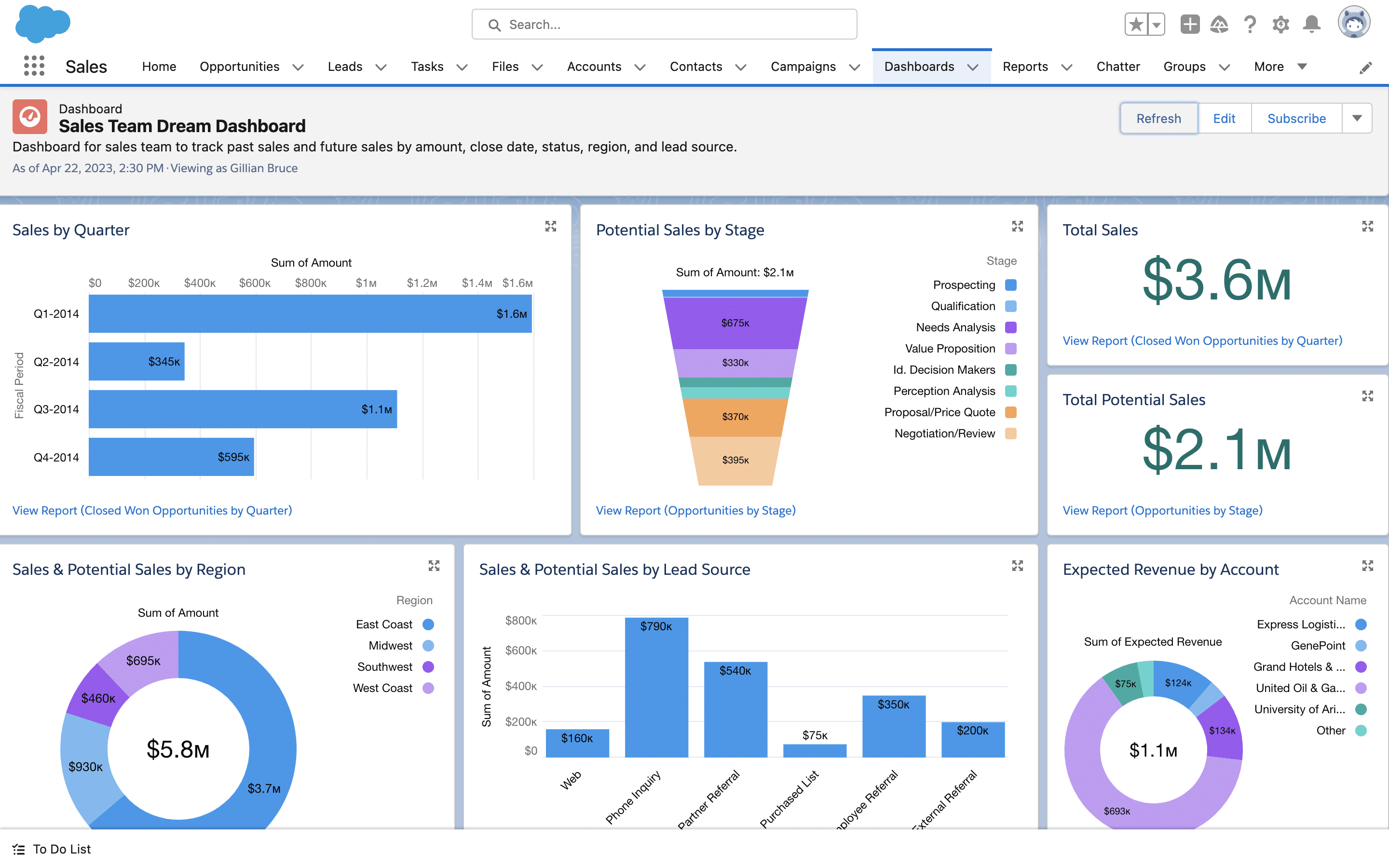
Salesforce is the undisputed leader in enterprise CRM, offering unmatched scalability, customization, and feature depth. While Salesforce is significantly more complex and expensive than Pipedrive, it provides the most powerful sales automation capabilities available. For large enterprises with complex sales processes, multiple sales teams, and sophisticated reporting requirements, Salesforce is the gold standard.
Salesforce's strength lies in its ability to handle enterprise-scale operations. The platform can manage millions of records, support thousands of concurrent users, and integrate with complex IT environments. Salesforce's Lightning platform enables rapid development of custom applications, allowing organizations to build exactly what they need without extensive coding. For enterprises seeking maximum flexibility and integration with other enterprise systems, Salesforce remains the industry leader. Explore Salesforce to discover how it can transform your enterprise sales operations.
3. Zoho CRM: The Affordable All-in-One Alternative
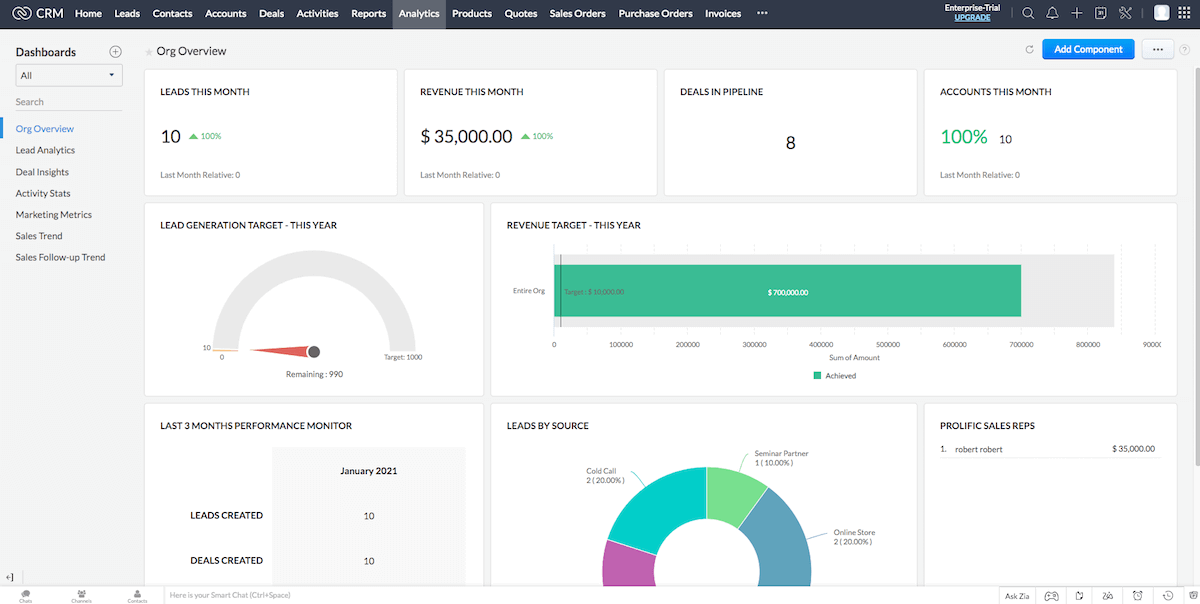
Zoho CRM offers a compelling alternative to Pipedrive for organizations seeking comprehensive CRM functionality at a fraction of the cost. While Pipedrive focuses exclusively on sales pipeline management, Zoho CRM provides an integrated suite of sales, marketing, and service tools. The platform's affordability, combined with its extensive feature set, makes it an excellent choice for small and medium-sized businesses.
Zoho CRM's strength lies in its comprehensive functionality and low cost. The platform includes features that Pipedrive charges extra for, such as email marketing, project management, and inventory management. Zoho's ecosystem of over 40 integrated applications provides additional value, allowing organizations to build a complete business system without purchasing multiple tools. For budget-conscious organizations seeking more than just sales pipeline management, Zoho CRM offers a compelling alternative to Pipedrive. Discover Zoho CRM and experience affordable CRM excellence.
How does Zoho CRM's pricing compare to Pipedrive's pricing structure?
Zoho CRM offers significantly lower per-user pricing than Pipedrive, starting at $18 per user per month compared to Pipedrive's $39 per user per month for equivalent functionality. Additionally, Zoho offers a free plan that includes up to 3 users and 5,000 records, making it ideal for startups. However, when comparing total cost of ownership, organizations should consider that Pipedrive's focused feature set means less customization is needed, while Zoho's lower per-user cost can be offset by the need to purchase additional modules for marketing automation and customer service. For small businesses on tight budgets, Zoho CRM typically offers better value than Pipedrive.
4. Microsoft Dynamics 365: The Enterprise Ecosystem Choice
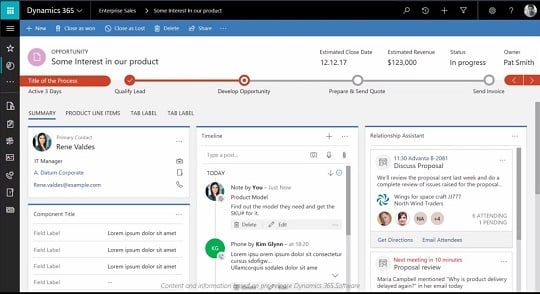
For organizations already invested in the Microsoft ecosystem, Microsoft Dynamics 365 offers a natural and powerful alternative to Pipedrive. The platform is seamlessly integrated with Office 365, Power BI, and other Microsoft products, creating a unified technology environment. This integration eliminates data silos and enables sophisticated analytics and reporting directly within familiar Microsoft tools.
Dynamics 365 is particularly strong for large enterprises requiring extensive customization and deep integration with legacy systems. The platform's model-driven and canvas apps enable rapid development of custom applications without extensive coding. For organizations seeking enterprise-grade CRM capabilities with deep Microsoft integration, Dynamics 365 is a compelling alternative to Pipedrive. Learn more about Dynamics 365 and how it can integrate with your Microsoft infrastructure.
5. Freshworks: The Customer-Centric Sales Platform
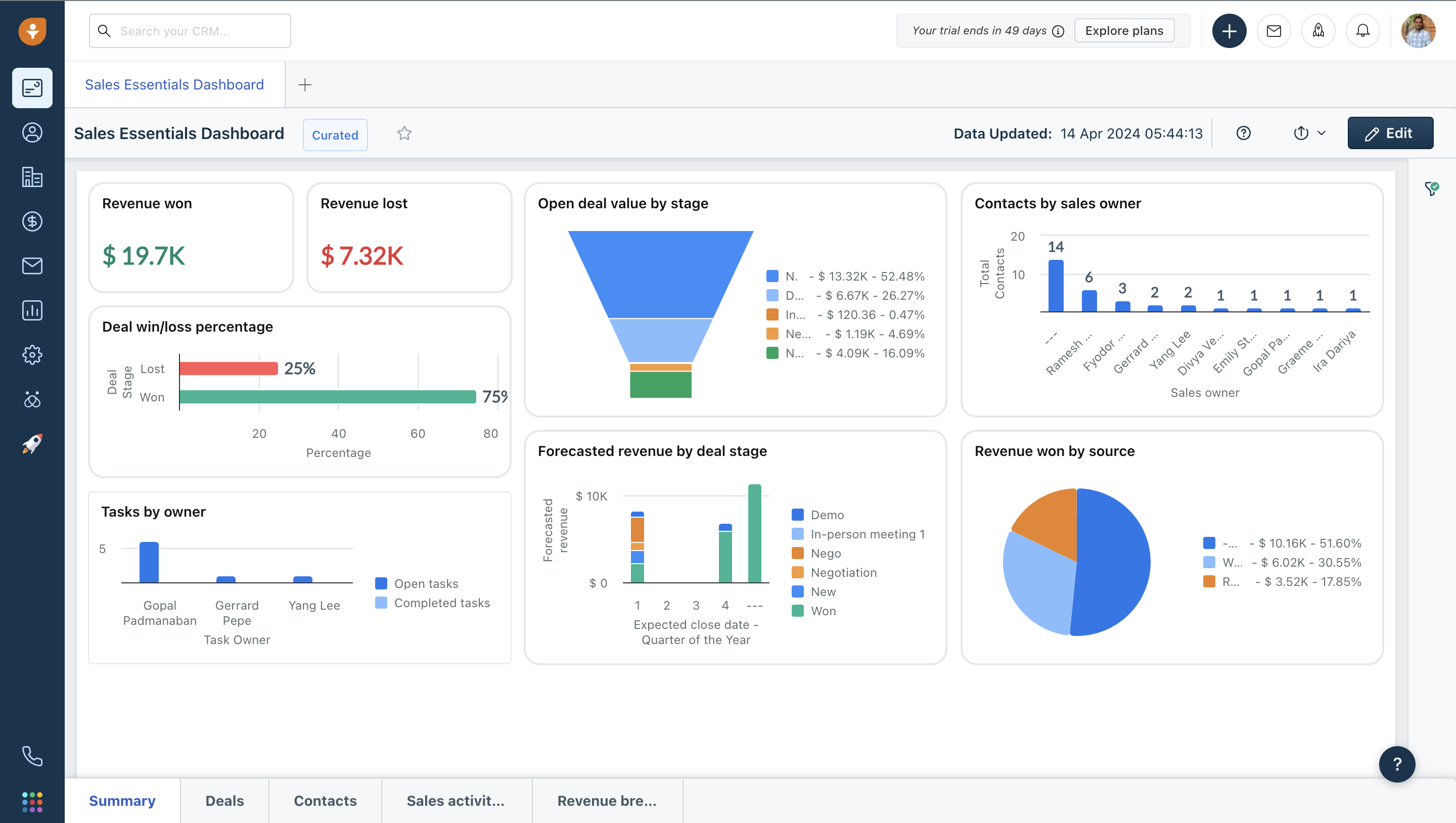
Freshworks has built its reputation on the "customer-for-life" philosophy, which is reflected in its integrated suite of sales, marketing, and support products. The platform provides a 360-degree view of each customer, enabling sales teams to deliver personalized experiences and close deals faster. Freshworks CRM, formerly known as Freshsales, combines sales automation with AI-powered insights to help teams prioritize high-value opportunities.
What distinguishes Freshworks from Pipedrive is its superior integration of sales and support functions. The platform's unified interface allows sales and support teams to collaborate seamlessly, sharing customer context and ensuring consistent service. Additionally, Freshworks' AI-powered lead scoring and sales automation features are more sophisticated than Pipedrive's, helping teams prioritize efforts more effectively. For organizations prioritizing customer experience and cross-functional collaboration, Freshworks offers a more comprehensive solution than Pipedrive. Discover Freshworks CRM and transform your sales process.
6. SugarCRM: The Customizable Open-Source Solution
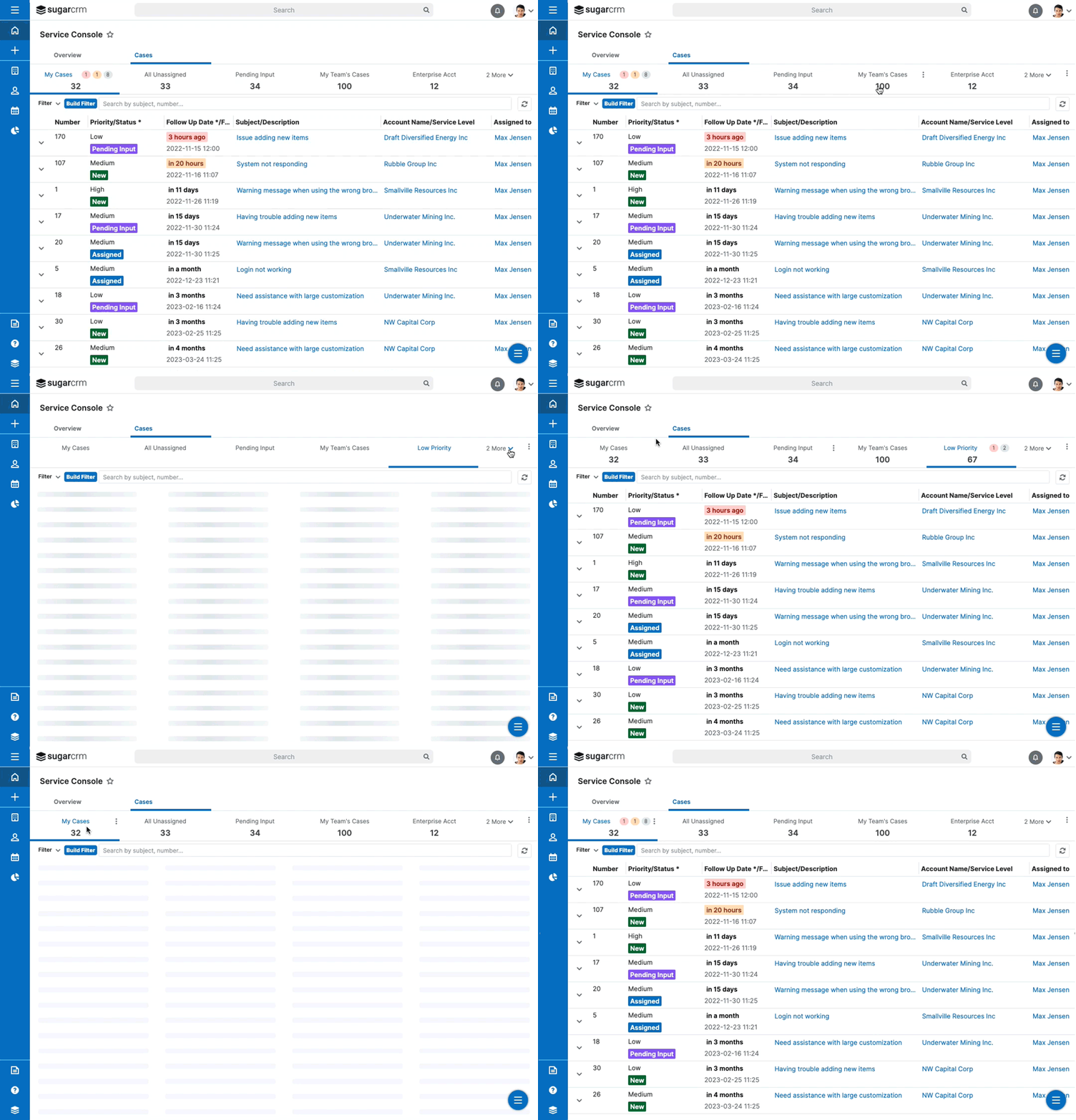
SugarCRM offers a unique value proposition through its open-source architecture and flexible deployment options. Unlike Pipedrive, which is a cloud-only proprietary solution, SugarCRM can be deployed on-premises, in the cloud, or in a hybrid configuration. This flexibility appeals to organizations with specific data residency requirements or complex IT environments.
The platform's open-source nature means organizations have complete control over the codebase, enabling unlimited customization without vendor lock-in concerns. SugarCRM's customer journey mapping and predictive analytics features help sales teams understand and optimize their sales processes. For enterprises requiring complete control over their CRM system and extensive customization capabilities, SugarCRM provides a compelling alternative to Pipedrive's more rigid architecture.
What are the advantages of SugarCRM's open-source architecture compared to Pipedrive?
SugarCRM's open-source model provides several advantages over Pipedrive's proprietary approach. First, organizations have complete access to the source code, enabling unlimited customization without relying on Pipedrive's development roadmap. Second, organizations can deploy SugarCRM on-premises, in the cloud, or in a hybrid configuration, providing flexibility that Pipedrive's cloud-only approach cannot match. Third, the open-source community contributes extensions and integrations, providing additional functionality beyond what Pipedrive offers. Fourth, organizations avoid vendor lock-in, as they own the code and can migrate to other platforms if needed. Finally, organizations can integrate legacy systems more easily by modifying the source code directly.
7. Creatio: The Low-Code Sales Automation Platform
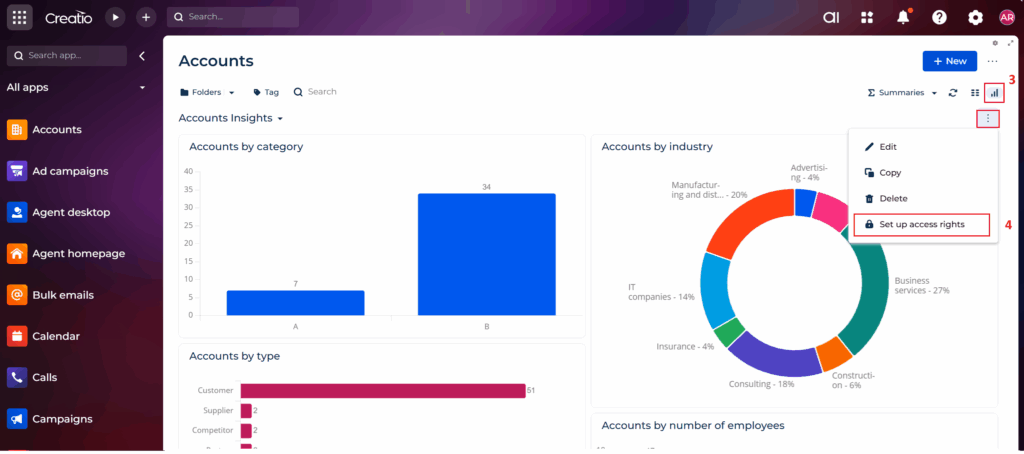
Creatio represents a new generation of CRM platforms that combine traditional sales CRM functionality with low-code/no-code development capabilities. This unique positioning allows organizations to automate complex sales processes without extensive coding, dramatically reducing implementation time and cost. Unlike Pipedrive, which requires technical expertise for advanced customizations, Creatio's visual workflow designer enables business users to build sophisticated sales automations.
The platform's drag-and-drop interface makes it easy to design complex sales workflows and automations. Creatio's pre-built templates and connectors accelerate implementation, while its open architecture enables integration with virtually any system. For organizations seeking to automate their sales processes without extensive IT involvement, Creatio offers a more agile and flexible solution than Pipedrive. Explore Creatio to discover low-code sales automation.
8. Zendesk Sell: The Support-Integrated Sales Platform
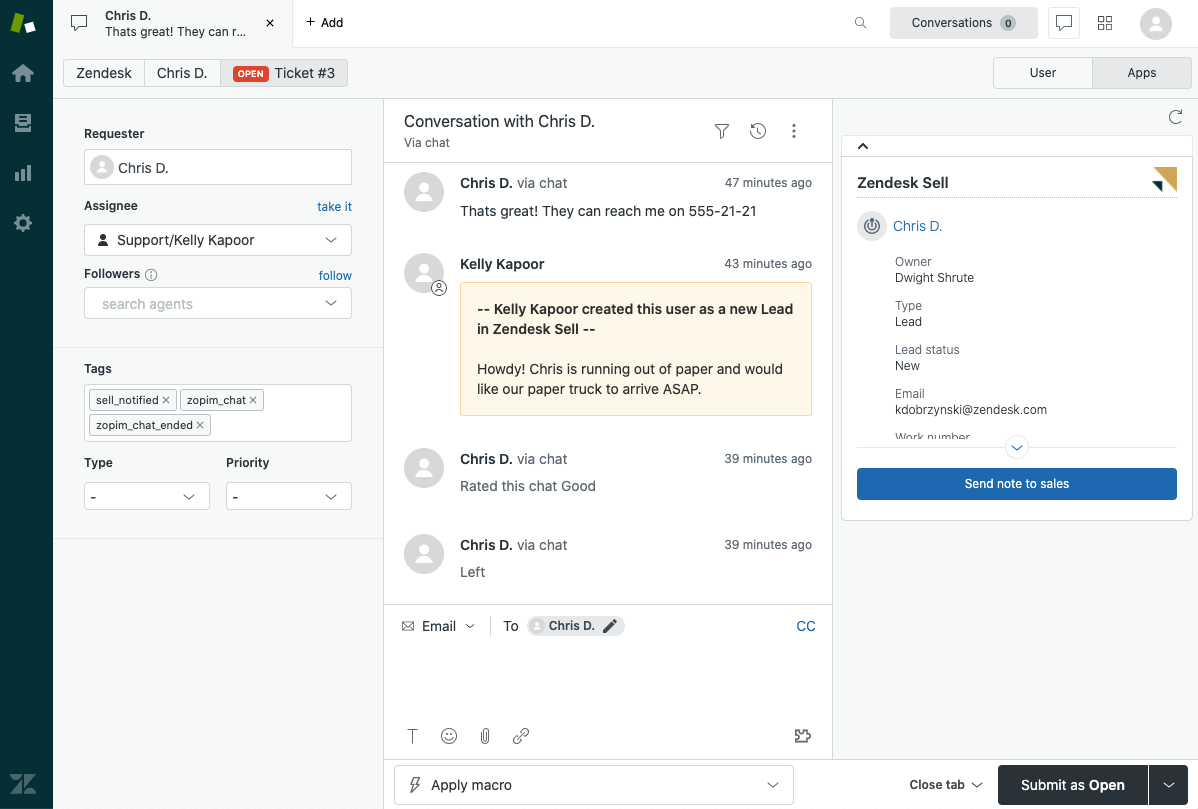
Zendesk Sell is purpose-built for sales teams that need tight integration with customer support functions. The platform combines sales automation with Zendesk's industry-leading support software, creating a unified customer view across the entire lifecycle. This integration is particularly valuable for organizations where sales and support teams need to collaborate closely.
Zendesk Sell's strength lies in its simplicity and focus on the sales process, combined with superior support integration.
The platform includes email tracking, call logging, and sales forecasting features optimized for sales team productivity. Unlike Pipedrive, which focuses exclusively on sales pipeline management, Zendesk Sell prioritizes sales efficiency while maintaining excellent integration with support operations. For sales-focused organizations already using Zendesk for support, Zendesk Sell provides seamless integration and streamlined workflows. Learn more about Zendesk Sell and streamline your sales process.
How does Zendesk Sell's support integration compare to Pipedrive's sales-only approach?
Zendesk Sell offers superior integration with customer support operations compared to Pipedrive's sales-only focus. The platform is built on Zendesk's unified customer platform, enabling seamless data sharing between sales and support teams.
Sales representatives can see the complete customer support history, enabling them to provide better service and identify upsell opportunities. Support agents can access sales information, helping them understand customer context and provide more informed assistance.
This level of integration is impossible with Pipedrive, which focuses exclusively on sales pipeline management. For organizations prioritizing sales-support collaboration, Zendesk Sell provides a more comprehensive solution.
What is the total cost of ownership when comparing Pipedrive to its top alternatives over a 3-year period?
When evaluating CRM platforms over a 3-year period, total cost of ownership extends far beyond per-user monthly fees. HubSpot's integrated approach often reduces the need for separate marketing automation, email, and analytics tools, resulting in lower overall costs despite higher per-user pricing.
A typical 10-person sales team using Pipedrive might pay $3,900 annually for Pipedrive alone, but then require additional tools for marketing automation ($2,400), email ($1,200), and analytics ($1,200), totaling $8,700 annually.
The same team using HubSpot might pay $4,800 annually for the sales hub, but eliminate the need for separate tools, resulting in significant savings. When factoring in implementation costs ($5,000-$15,000), training ($2,000-$5,000), and ongoing optimization, organizations often find that alternatives like HubSpot provide better long-term value than Pipedrive despite higher apparent per-user pricing.
9. Oracle CRM On Demand: The Enterprise Powerhouse
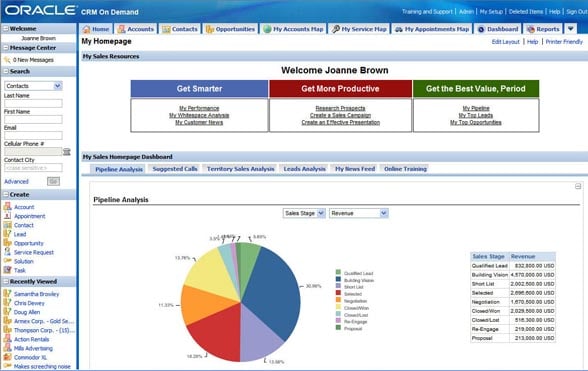
Oracle CRM On Demand is designed for large enterprises with complex requirements and substantial budgets. The platform offers unmatched scalability, handling millions of records and thousands of concurrent users without performance degradation. Oracle's extensive customization capabilities and deep integration with other Oracle products make it the preferred choice for organizations with complex IT environments.
While Oracle CRM On Demand is significantly more expensive than Pipedrive, it offers enterprise-grade features including advanced analytics, workflow automation, and industry-specific solutions. For large organizations requiring maximum flexibility and integration with Oracle systems, CRM On Demand provides a compelling alternative to Pipedrive's more limited enterprise capabilities.
10. Vtiger: The Open-Source All-in-One Alternative
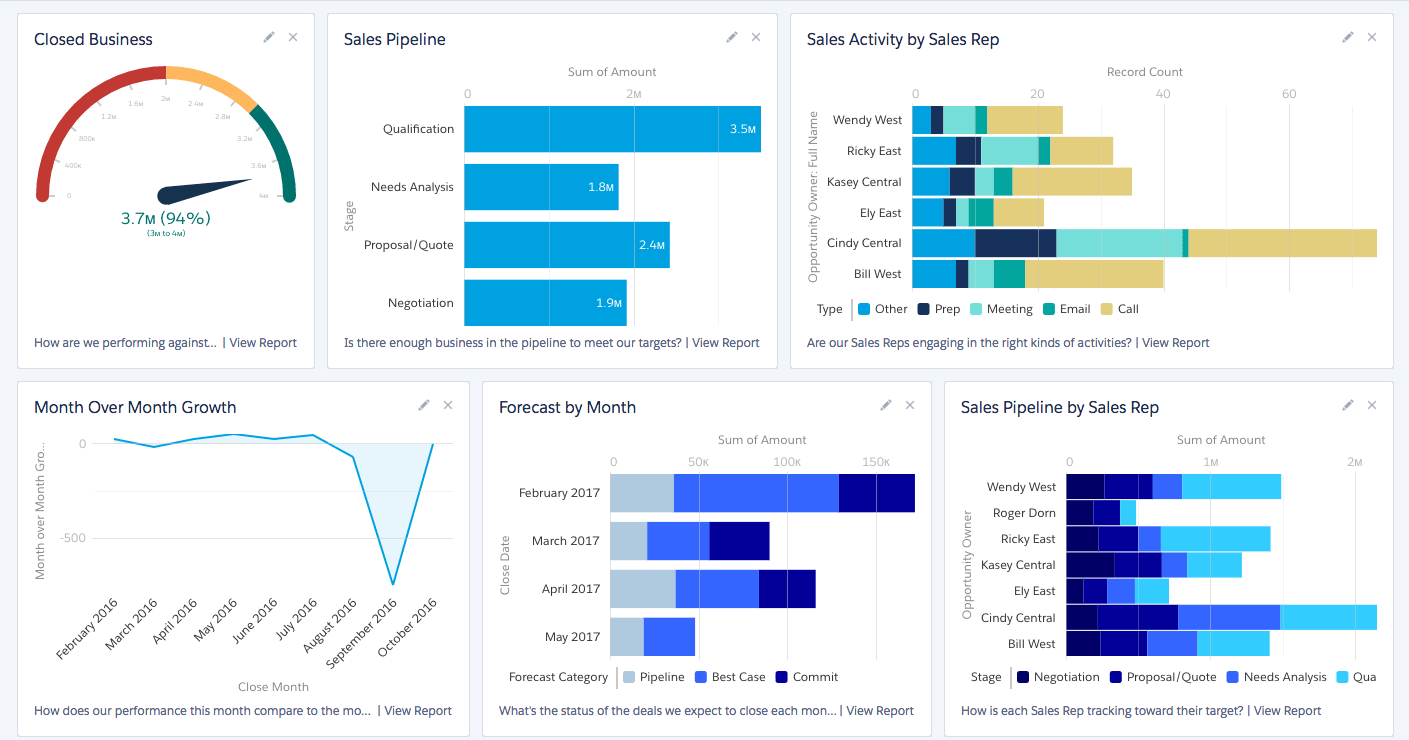
Vtiger is an open-source CRM platform that offers a comprehensive suite of sales, marketing, and support tools in a single integrated system. Like Pipedrive, Vtiger is designed for small and medium-sized businesses, but it offers the additional benefit of open-source flexibility. Organizations can deploy Vtiger on-premises or in the cloud, and customize the platform extensively without vendor restrictions.
Vtiger's all-in-one approach includes features that Pipedrive charges extra for, such as email marketing, project management, and inventory management. The platform's active community provides extensive resources and support. For organizations seeking an open-source alternative to Pipedrive with comprehensive functionality and deployment flexibility, Vtiger provides an excellent option.
11. NetHunt CRM: The Flexible CRM for Multi-Channel Sales Teams
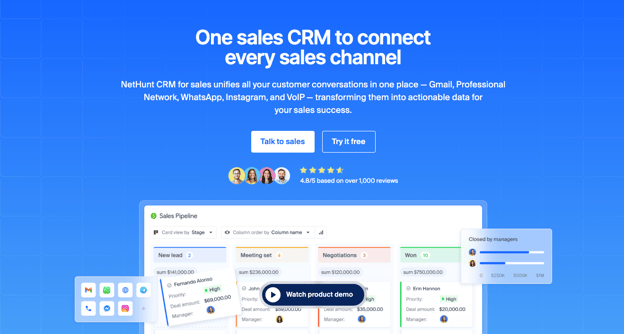
NetHunt CRM is a modern alternative to Pipedrive designed for teams that need more than just pipeline management. While Pipedrive focuses primarily on tracking deals, NetHunt combines sales, communication, and marketing workflows in one system, making it a strong fit for multi-channel sales teams.
NetHunt’s strength lies in its customization, native integrations, and automation. Teams can fully tailor pipelines, fields, and workflows to match their processes, while managing communication across email, phone, messengers, and social media from one place. With built-in automation for follow-ups, lead distribution, and process management, NetHunt helps reduce manual work and keeps deals moving without relying on multiple tools. For businesses looking to centralize multi-channel sales and scale operations efficiently, NetHunt CRM offers a more flexible and powerful alternative to Pipedrive.
Frequently Asked Questions (FAQs)
What is the best Pipedrive alternative for small businesses?
HubSpot is the best Pipedrive alternative for small businesses, offering a more comprehensive solution with integrated marketing automation and customer service. The platform's free CRM tier provides more powerful functionality than Pipedrive's free plan. Zoho CRM is also an excellent choice for budget-conscious small businesses, offering comprehensive functionality at lower cost.
Which Pipedrive alternative is best for sales teams?
HubSpot is the best choice for sales teams seeking more than just pipeline management, offering superior marketing integration and AI-powered insights. Salesforce is ideal for large enterprises with complex sales processes. Freshworks is excellent for teams prioritizing customer experience and support integration.
What is the most affordable Pipedrive alternative?
Zoho CRM is the most affordable Pipedrive alternative, offering comprehensive functionality at significantly lower cost. Vtiger is also an excellent budget-friendly option, particularly for organizations seeking open-source flexibility. HubSpot's free CRM tier provides excellent value for startups and small businesses.
Which Pipedrive alternative offers the best marketing integration?
HubSpot offers the best marketing integration, with sophisticated marketing automation, email campaigns, and lead nurturing capabilities built into the platform. Freshworks also provides good marketing integration, while Pipedrive requires separate tools for marketing automation.
How do I choose between Pipedrive alternatives?
Evaluate your specific business needs, team size, budget, and existing technology stack. Consider factors like ease of use, integration capabilities, customization options, and industry-specific features. Take advantage of free trials and demos to experience each platform firsthand before making a final decision.
Detailed Comparison: Key Differentiators
Sales Pipeline Management
Pipedrive's visual pipeline interface is renowned for its simplicity and effectiveness. However, HubSpot's sales pipeline management is equally intuitive and offers additional features like pipeline analytics and forecasting. Salesforce's pipeline management is more complex but offers greater customization. For organizations prioritizing visual pipeline management, HubSpot and Pipedrive are comparable, but HubSpot offers more comprehensive features.
Marketing Automation Integration
One of the most significant differences between Pipedrive and its alternatives is marketing automation integration. HubSpot provides sophisticated marketing automation built into the platform, including email campaigns, lead nurturing, and marketing analytics. Freshworks also offers good marketing integration. Pipedrive requires separate tools for marketing automation, making it less efficient for organizations seeking integrated sales and marketing.
Pricing and Cost of Ownership
Pipedrive's pricing is straightforward but can become expensive as organizations add users and features. Zoho CRM offers lower per-user pricing but may require additional modules. HubSpot's tiered pricing allows organizations to start small and scale. Salesforce is the most expensive but includes more native functionality. When calculating total cost of ownership, organizations should consider implementation costs, training, and additional tools needed.
Customization and Flexibility
Pipedrive offers limited customization compared to alternatives like SugarCRM and Creatio. SugarCRM's open-source architecture provides complete control, while Creatio's low-code platform enables rapid customization. Salesforce's Lightning platform offers powerful customization for large organizations. For organizations with unique sales processes, alternatives like SugarCRM and Creatio provide more flexibility than Pipedrive.
AI and Automation Capabilities
Modern sales CRM platforms increasingly rely on artificial intelligence to improve productivity. HubSpot's AI features, including predictive lead scoring and sales recommendations, are more sophisticated than Pipedrive's automation. Salesforce's Einstein AI provides advanced analytics. Creatio's low-code automation enables complex sales process automation. For organizations seeking advanced AI capabilities, HubSpot, Salesforce, and Creatio offer more sophisticated solutions than Pipedrive.
Making the Transition from Pipedrive
Migrating from Pipedrive to an alternative platform requires careful planning and execution. Key considerations include data migration, user training, process redesign, and integration setup. Organizations should expect the migration process to take between 2-4 months depending on complexity.
Data migration is typically the most critical aspect of a CRM transition. Organizations need to ensure that customer data, sales history, and deal information are accurately transferred to the new platform. Working with experienced implementation partners like Pixcell.io can significantly reduce migration risks and ensure data integrity.
User adoption is another critical success factor. Sales teams are often resistant to change, so organizations should invest in comprehensive training programs and change management to help users embrace the new platform. Demonstrating the benefits of the new system through quick wins and improved productivity can accelerate adoption.
Industry-Specific Sales Solutions
Different industries have unique sales requirements, and some CRM alternatives are better suited for specific sectors than others. For example, technology companies require CRM systems that can handle complex, multi-stakeholder sales cycles. Real estate professionals need CRM systems with property management integration. Financial services organizations require robust security and compliance features. Manufacturing companies need integration with ERP systems and quote management.
HubSpot offers industry-specific solutions for technology, real estate, and financial services, making it an excellent choice for organizations in these sectors. Salesforce's extensive industry cloud offerings make it ideal for organizations with specialized requirements. Pipedrive, while excellent for general sales pipeline management, offers fewer industry-specific solutions, making it less ideal for organizations with specialized sales processes.
Mobile and Remote Sales Capabilities
In today's distributed sales environment, mobile and remote work capabilities are essential. HubSpot's mobile app is comprehensive, allowing sales representatives to manage deals, log activities, and access customer information from anywhere. Pipedrive's mobile app is also strong, with a focus on pipeline management on mobile devices. Salesforce's mobile app provides extensive functionality for remote sales teams.
For organizations with significant remote or field-based sales teams, HubSpot and Pipedrive are comparable in mobile capabilities, but HubSpot offers additional features like marketing integration and customer service access. Organizations prioritizing mobile-first sales operations should evaluate each platform's mobile functionality carefully.
Reporting, Analytics, and Sales Forecasting
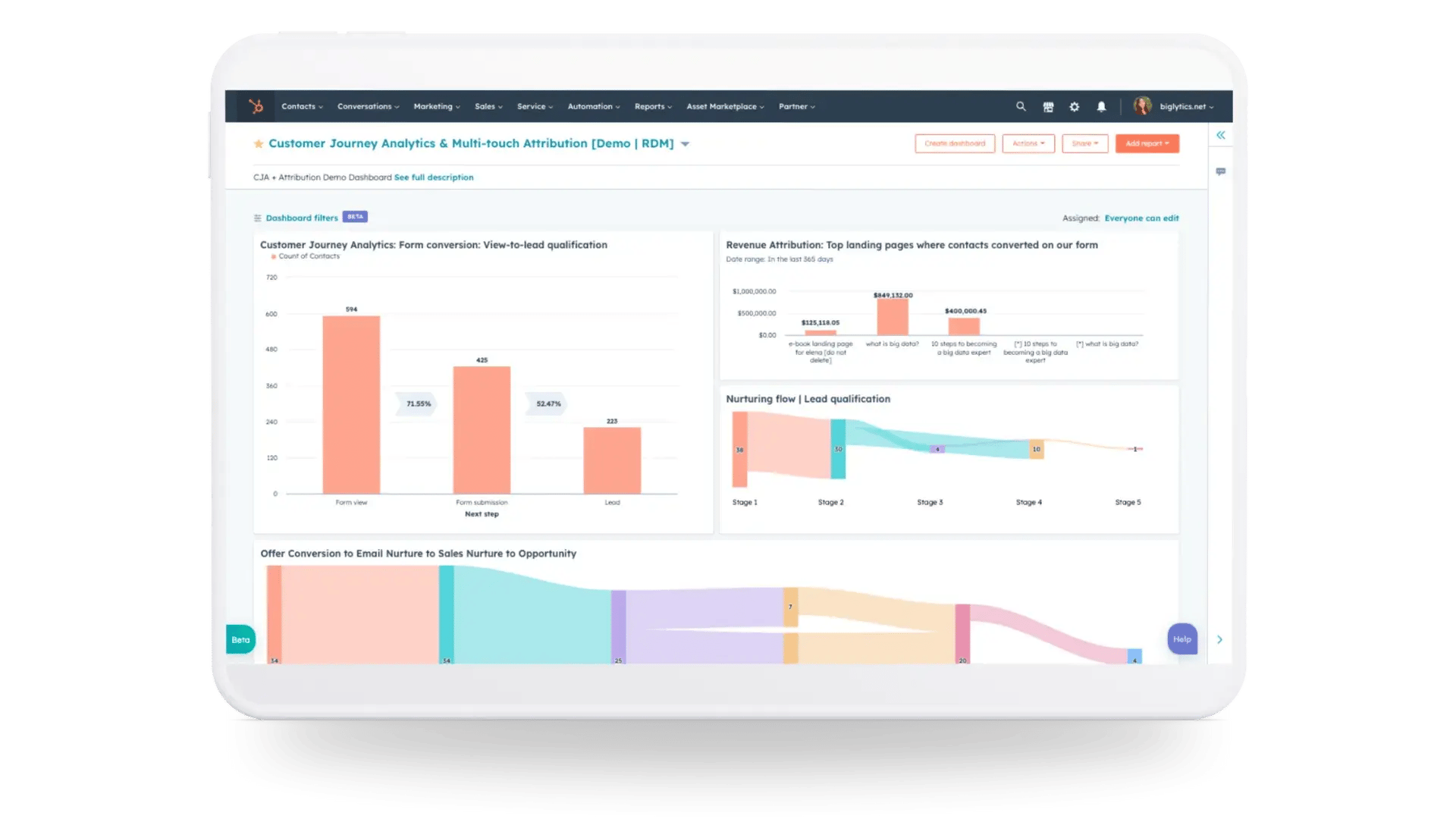
Data-driven decision-making requires robust reporting and analytics capabilities. HubSpot's reporting dashboard provides clear, actionable insights with minimal configuration, including sales forecasting based on historical data and pipeline velocity. Salesforce's Einstein Analytics provides advanced predictive analytics and AI-powered insights. Pipedrive's reporting focuses on sales pipeline metrics and forecasting.
Zoho CRM's reporting capabilities are adequate for standard use cases but less sophisticated than HubSpot's or Salesforce's. Organizations requiring advanced analytics and predictive insights often find that alternatives like HubSpot or Salesforce provide better capabilities than Pipedrive. The ability to forecast revenue accurately is critical for business planning, and more sophisticated analytics platforms provide better forecasting accuracy.
Security, Compliance, and Data Protection
Data security and regulatory compliance are critical considerations for any CRM platform. HubSpot maintains SOC 2 Type II certification and GDPR compliance. Salesforce is known for its robust security features and compliance with various regulatory requirements including HIPAA and SOX. Pipedrive also maintains security certifications, but organizations with stringent compliance requirements often prefer the more established security track records of HubSpot or Salesforce.
For organizations in regulated industries like healthcare and financial services, security and compliance capabilities are paramount. Organizations should carefully evaluate each platform's security certifications, data encryption, and compliance capabilities when selecting a CRM platform.
Customer Support, Training, and Community Resources
The quality of customer support and the strength of the user community can significantly impact implementation success and long-term satisfaction. HubSpot is known for its excellent customer support, comprehensive knowledge base, and active community. Salesforce has extensive support resources and a large ecosystem of consultants and developers. Pipedrive's support is good but less extensive than HubSpot's or Salesforce's.
For organizations seeking strong support and community resources, HubSpot and Salesforce typically provide better experiences than Pipedrive. The availability of third-party resources, training materials, and expert consultants can significantly reduce implementation costs and accelerate time-to-value. Organizations should evaluate support quality and community strength when selecting a CRM platform.
Why Migrate from Pipedrive to HubSpot?
While Pipedrive is an excellent sales CRM, many organizations find that HubSpot offers a superior solution that extends beyond sales pipeline management. HubSpot's integrated approach to sales, marketing, and customer service enables organizations to deliver consistent customer experiences and improve overall business efficiency.
Pixcell.io, a leading HubSpot agency based in London, specializes in helping sales teams transition from Pipedrive to HubSpot. Their proven methodology ensures minimal disruption to your sales operations while maximizing the value you extract from HubSpot. Their services include data migration, custom configuration, team training, and ongoing optimization support.
The investment in a proper HubSpot implementation typically pays for itself within the first year through improved sales productivity, better lead quality, and more efficient marketing operations. Pixcell.io's expertise ensures you achieve these benefits quickly and effectively.
Conclusion
The sales CRM market offers numerous compelling alternatives to Pipedrive, each designed to address specific business needs and preferences. Whether you're seeking a more comprehensive platform like HubSpot, an enterprise-grade solution like Salesforce, or a budget-friendly option like Zoho CRM, there's an alternative that can better serve your organization.
The decision to switch CRM platforms should be based on a careful evaluation of your business requirements, sales team preferences, and long-term strategic goals. While Pipedrive serves many organizations well, these alternatives offer additional capabilities, better integrations, or superior user experiences that may better align with your business objectives.
For organizations considering a transition to HubSpot, partnering with Pixcell.io can make all the difference. With their expertise in HubSpot implementation, data migration, and optimization, Pixcell.io ensures a smooth transition and rapid realization of HubSpot's benefits. Their team of certified HubSpot experts understands the unique challenges of migrating from Pipedrive and has developed proven processes to ensure success.